Stress, Sleep, Alcohol, and Short-Term Changes in Erections
How stress, disrupted sleep, alcohol, travel, and other short-term context can coincide with erection changes—and how to review the pattern without turning one...
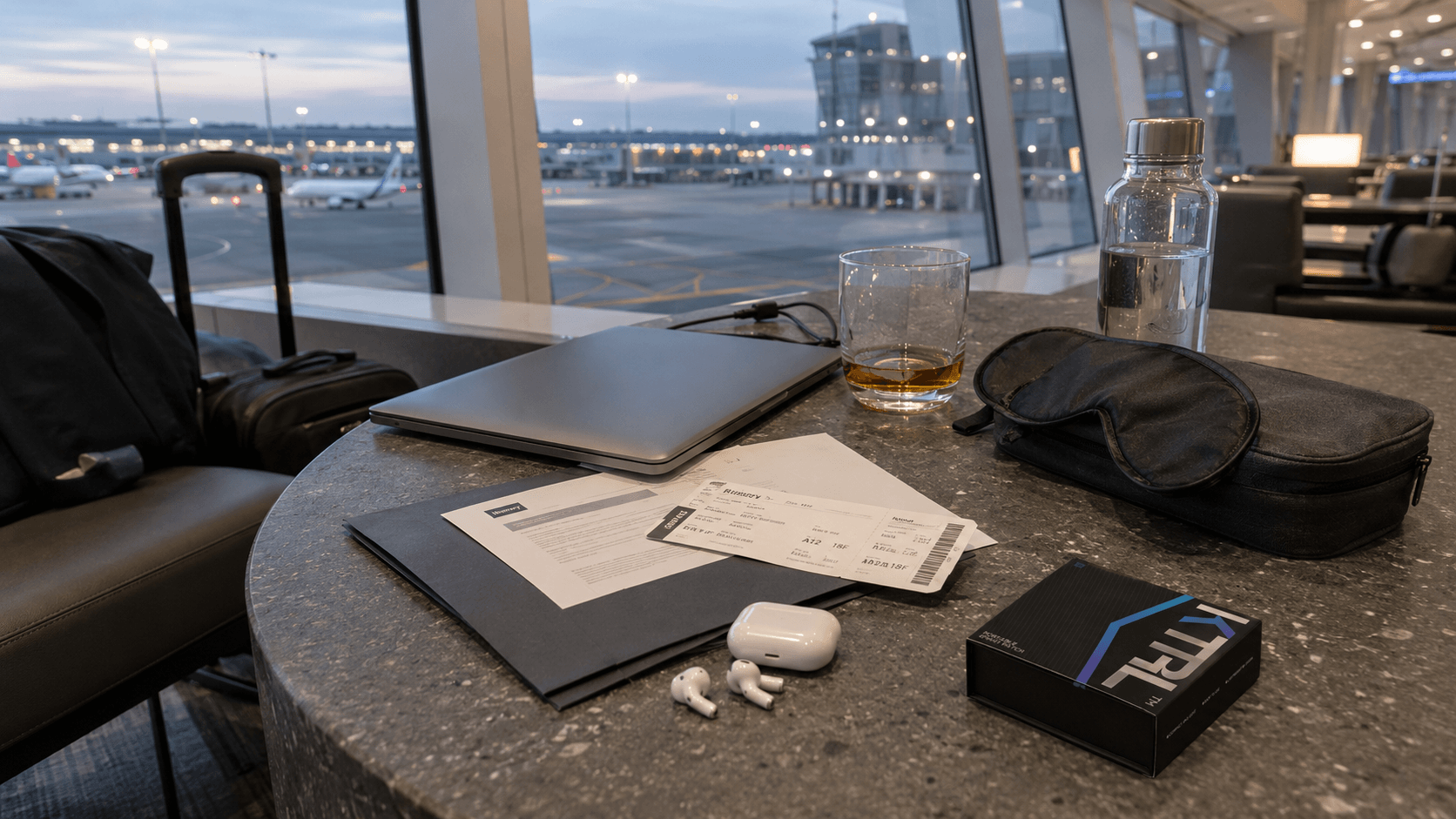
Stress, disrupted sleep, and drinking can coincide with a temporary change in erections, especially during an unusually demanding week. That context is useful, but it cannot diagnose the cause from one night. Look for repetition, timing, and other health changes before deciding what the experience means.
Start with context, not a verdict
An erection is a changing body response, not an on/off test of attraction, masculinity, or relationship quality. It can vary from one occasion to another. A late flight, a conflict at work, two short nights, several drinks, or the expectation that sex must go perfectly can all be part of the setting.
The National Institute of Diabetes and Digestive and Kidney Diseases lists stress and drinking too much alcohol among possible contributors to erectile dysfunction (ED), alongside health conditions, medicines, emotional factors, smoking, and other lifestyle behaviors (NIDDK). That list is a reason to review the whole picture—not proof that the last stressful day or drink caused a particular event.
If this happened once, begin with Was It Just One Difficult Night?. If the pattern is repeating across situations, use Situational vs. Persistent Erection Difficulties.
How stress may enter the picture
Stress can occupy attention before and during intimacy. You may still want sex while part of your mind is reviewing a deadline, money concern, family disagreement, or previous erection change. Once you start checking firmness, the encounter can feel like an examination.
NIDDK identifies anxiety, depression, stress, loneliness, low confidence, and negative body image as emotional factors that can cause or worsen ED (NIDDK). The direction may differ by person: stress can precede the difficulty, and a difficult experience can create more stress next time.
Ask two separate questions:
1. Was I under unusual pressure before the experience?
2. Did worrying about my erection become part of the experience itself?
Answering yes to either question adds context. It does not erase the need to review physical health, medicines, substances, or a new recurring pattern.
What sleep evidence actually supports
Poor sleep can leave a person tired, less engaged, more irritable, and less able to shift attention away from daily demands. A 2023 systematic review and meta-analysis found that poor sleep quality was associated with sexual dysfunction across the included studies (PubMed). The analysis also reported substantial variation between studies.
The careful conclusion is “sleep and sexual function can be related,” not “one bad night caused ED.” Sleep duration, sleep quality, sleep disorders, physical health, mental health, work schedules, and medications may overlap. Persistent loud snoring, breathing pauses, severe daytime sleepiness, or long-running insomnia deserves a healthcare conversation of its own.
Alcohol can change more than confidence
Alcohol may lower self-consciousness for some people, yet greater amounts can also coincide with reduced coordination, sensation, attention, or erection response. NIDDK includes drinking too much alcohol among lifestyle behaviors that may contribute to ED (NIDDK).
The useful question is not “Is alcohol good or bad for erections?” It is “What happened for me at this amount, in this setting, alongside sleep, stress, food, medicines, and hydration?”
Avoid treating alcohol as the solution to sexual anxiety. Increasing the amount to feel less worried can blur consent, make communication harder, and hide the pattern you are trying to understand. If cutting back feels difficult or drinking is causing harm, seek qualified support.
Use a four-question context check
After an erection changes, review these four areas without interrogating yourself:
Question | Useful detail to record | What it does not prove |
What was the stress load? | deadlines, conflict, money worry, travel, privacy | that stress was the only cause |
How was recent sleep? | hours, awakenings, shift work, jet lag, daytime fatigue | that one short night created a disorder |
What and how much did I drink? | type, approximate amount, timing, other substances | that alcohol explains every future event |
What was different physically? | illness, pain, medication change, desire, morning erections | a diagnosis from self-observation |
This is a context tool, not a scoring system. Its purpose is to make a later conversation more specific.
Try a seven-day pattern log
For one week, note only what helps you see a pattern:
· sleep quality and major schedule changes;
· unusually high stress or conflict;
· alcohol and other substance use;
· new medicines, dose changes, illness, or pain;
· sexual desire and whether the erection concern occurred;
· whether erections appeared in other contexts, including on waking;
· the level of personal or relationship distress.
Do not turn the log into constant body surveillance. A brief daily note is enough. The goal is to notice whether the experience clusters around one context or appears across many contexts.
Keep a short-term change from becoming a household story
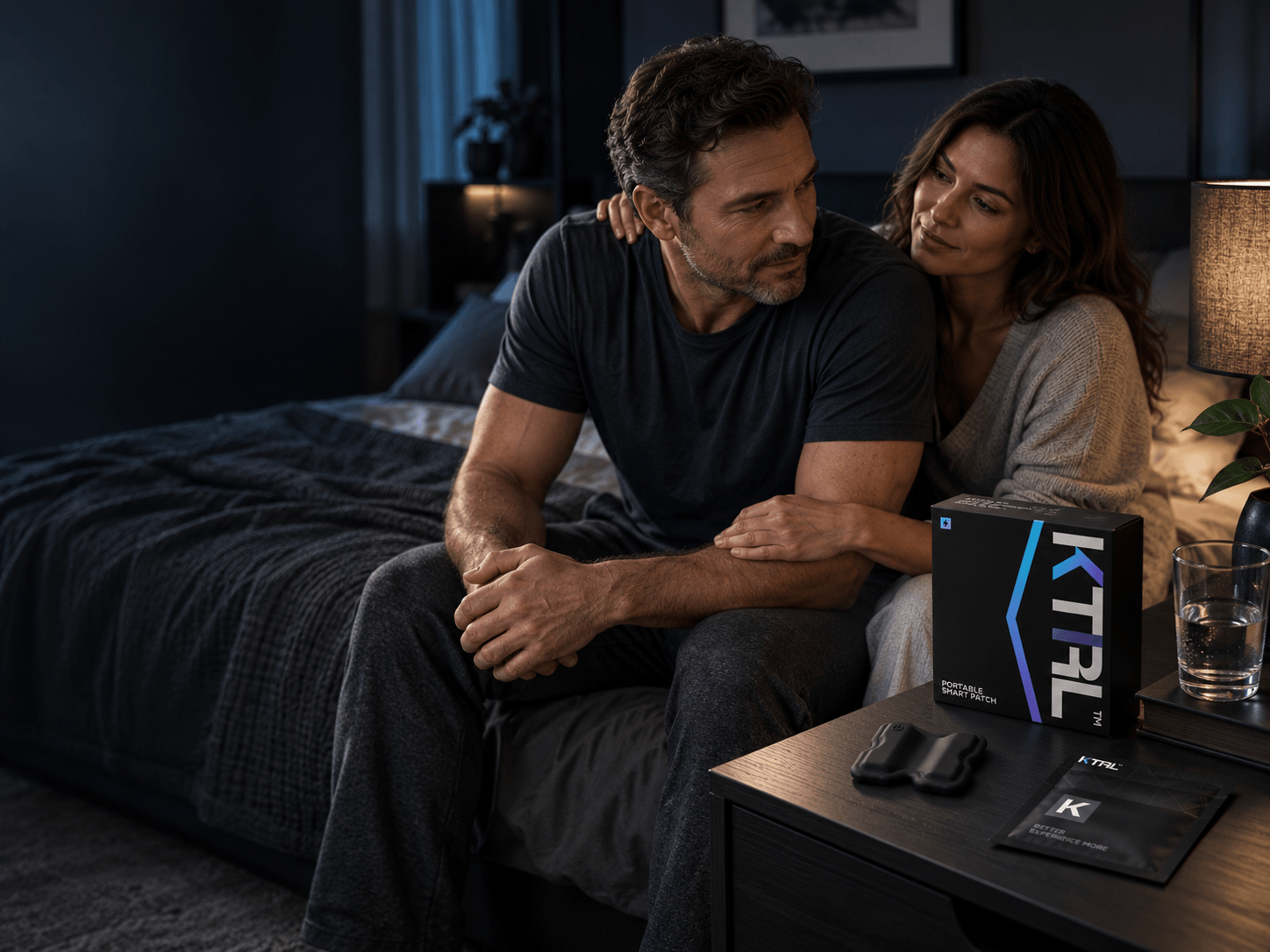
An erection change can be interpreted quickly: one partner may hear “you are no longer attracted to me,” while the other hears “I have failed.” That misunderstanding can create tension far beyond the bedroom. Affection becomes cautious, jokes feel loaded, and both people wait for the next test.
A calmer sentence is:
“My body responded differently tonight. I have been stressed and underslept, and I want to notice the pattern without blaming you or me. We can stay close and talk again when we are rested.”
This does not promise what will happen next time. It protects the relationship from a conclusion that one body response cannot support.
When to move from observation to care
Talk with a qualified healthcare professional when erection difficulty is recurring, newly changed, distressing, present across contexts, or accompanied by pain, penile curvature, changes in sensation, urinary symptoms, reduced desire, or other health changes. ED can be a symptom of another health issue, according to NIDDK (NIDDK).
A clinician may review medical, sexual, and mental-health history, medicines and supplements, a physical exam, and selected tests (NIDDK). Bring the short log if it helps you explain onset and context.
Where a private routine can fit
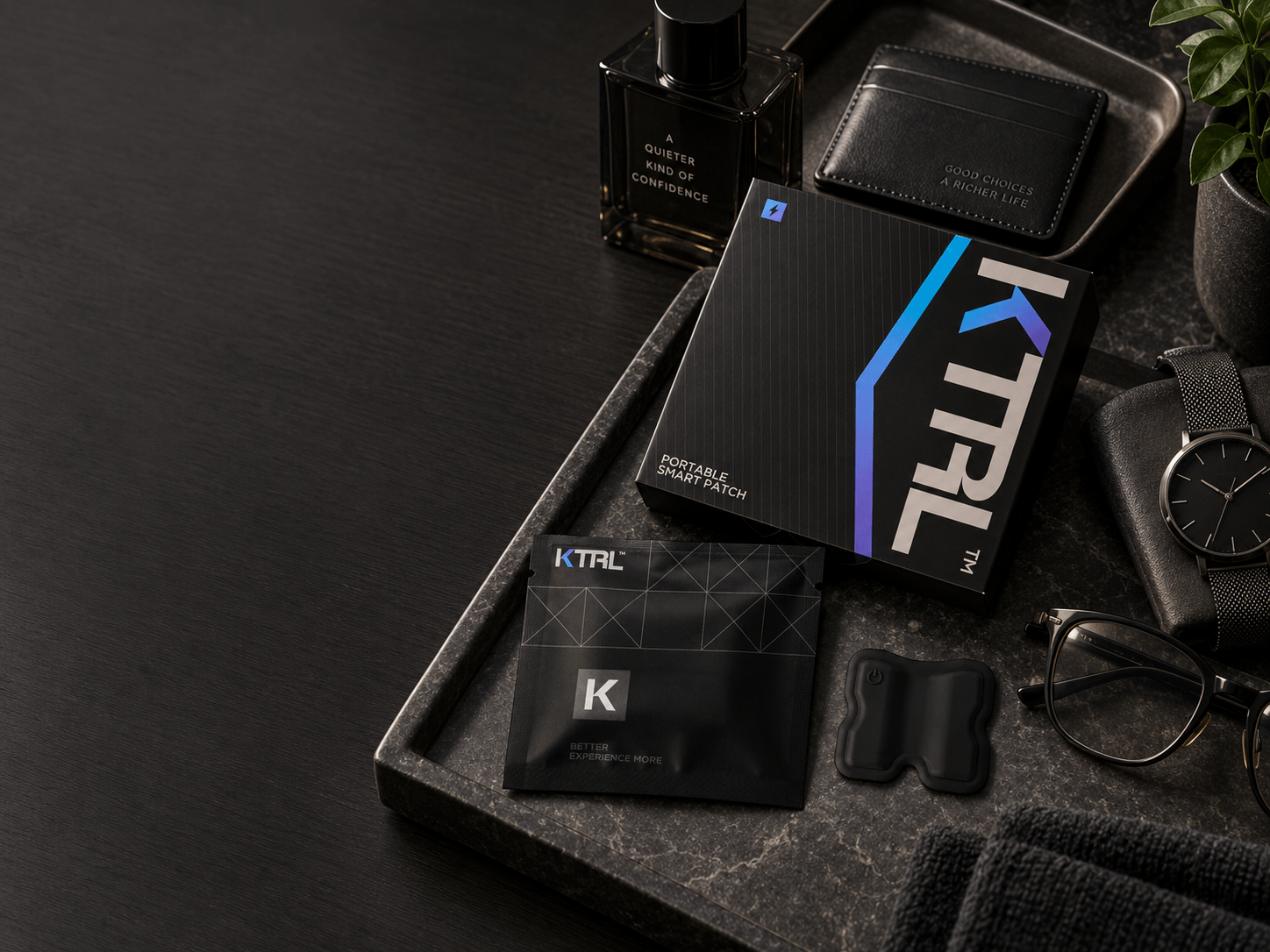
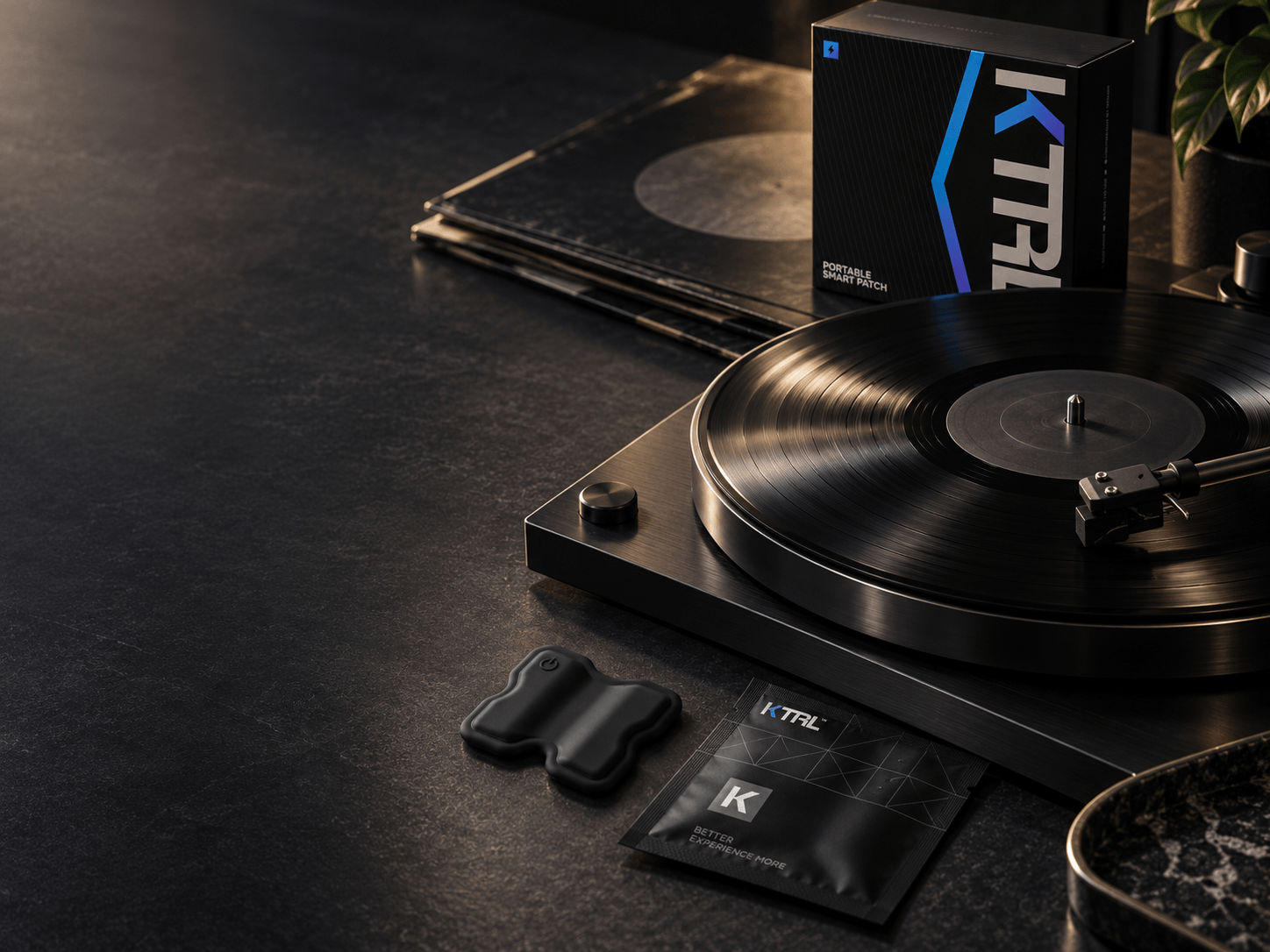
Some adults find it easier to approach intimacy when preparation is simple, private, and deliberate. A consistent routine can create a transition away from work and toward chosen attention, pacing, and communication. Use the discreet male wellness routine guide to build that transition, then decide whether KTRL's rhythmic physical sensation and one-session format suit your personal routine.
Join the email list for future no-shame education, practical conversation tools, and verified product information.
KTRL Portable Smart Patch is a consumer lifestyle product for adult external use; it is not intended to diagnose or treat a medical condition, individual experiences vary, and users should follow the printed instructions and seek qualified professional advice for persistent or distressing concerns.
Frequently asked questions
Can one stressful week temporarily affect erections?
Stress can coincide with erection difficulty, but one week cannot establish a cause or diagnosis. Note whether the change resolves or repeats, and review medicines, health, substances, and other context as needed.
Does poor sleep directly cause erectile dysfunction?
Research supports an association between poor sleep and sexual dysfunction, but it does not prove that one short night directly caused an individual's erection change.
Is alcohol causing my erection problem?
It may be part of the context, especially at larger amounts, but one experience cannot isolate alcohol from stress, sleep, medicines, health, and situational factors.
When should I talk with a healthcare professional?
Seek qualified guidance when the change is recurring, new and persistent, distressing, present across settings, or accompanied by pain or other health changes.
Comments (0)
Please login to comment.
No comments yet.