Erection Difficulties and Self-Esteem: Your Body Is Not a Masculinity Test
How to separate a body response from identity, replace shame with more accurate language, protect partner communication, and choose a practical next step when e...
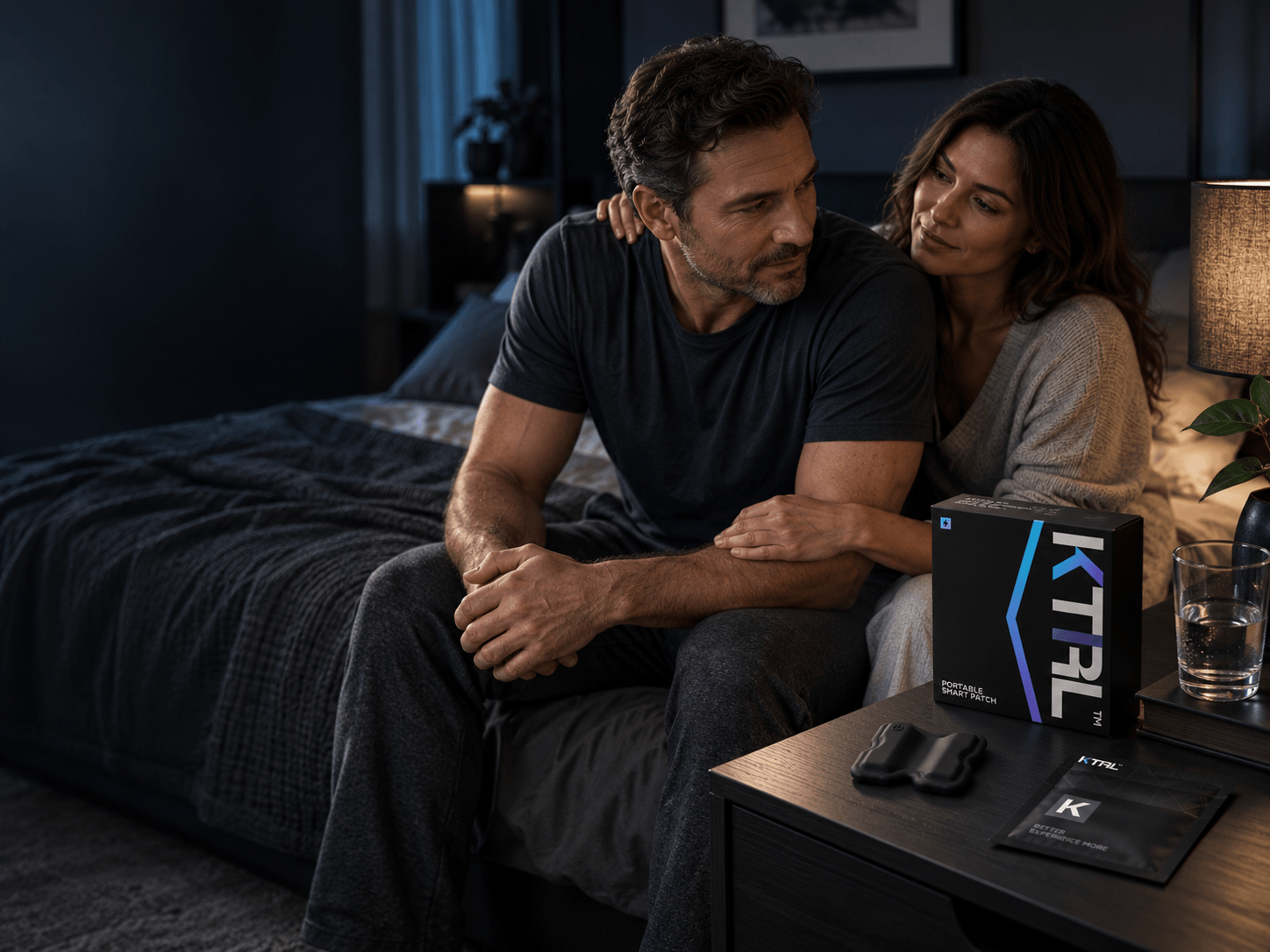
An erection difficulty is a body experience, not a measurement of masculinity, love, competence, or worth. Shame may feel immediate, but it is an interpretation—not a medical conclusion. More accurate language can protect self-esteem, improve partner communication, and make it easier to seek appropriate help.
Why the experience can feel bigger than the bedroom
Many people grow up around messages that equate manhood with automatic desire, a firm erection, penetration, control, and partner satisfaction. When the body responds differently, the mind may convert one moment into an identity verdict: “I failed,” “I am not enough,” or “I am no longer a real man.”
That leap is emotionally powerful and factually unsupported. Erections depend on blood vessels, nerves, hormones, health, medicines, emotion, attention, and context. The National Institute of Diabetes and Digestive and Kidney Diseases lists health, medicine-related, emotional, and lifestyle contributors to ED (NIDDK). A variable response cannot summarize a person's character.
ED and self-esteem can become connected
NIDDK identifies depression, anxiety, low self-esteem, and loss of intimacy among possible complications of ED (NIDDK). A 2026 qualitative evidence synthesis reported themes of masculinity, stigma, self-silencing, relationship consequences, and healthcare communication across eight studies involving 209 participants (PubMed). The review was small, limited to English-language research, and not prospectively registered, so it describes recurring experiences rather than a universal pathway.
The distinction matters. Shame is common enough to name, but no reader is required to feel it. Some men respond with concern, some with humor, some with curiosity, and some with little distress.
Reset the language before it hardens into identity
Try replacing global judgments with specific observations:
Shame statement | More accurate statement |
“I failed as a man.” | “I had difficulty getting or keeping an erection.” |
“My body is broken.” | “My response changed, and I can review the pattern.” |
“I cannot satisfy anyone.” | “One body response does not define shared pleasure or communication.” |
“My partner will stop loving me.” | “I do not know what my partner thinks until we talk.” |
“I should hide this.” | “I can choose a safe person and a specific next step.” |
“This proves I am old.” | “ED is more common with age, but it is not inevitable.” |
This is not forced positivity. It is evidence-based accuracy: describe what happened before deciding what it means.
A broader view of masculinity is available
A multinational study of 27,839 men across eight countries—including the United States and Mexico—found that participants placed greater importance on qualities such as honor, self-reliance, and respect from friends than on stereotyped markers such as being sexually active or successful with women (PubMed). The study is older and based on self-report, but it offers a useful correction: men themselves do not define masculinity only through sexual performance.
You might define being a man through honesty, steadiness, care, accountability, humor, courage, craftsmanship, fatherhood, partnership, community, or the willingness to ask for help. None requires a perfectly predictable erection.
How shame becomes silence and household tension
Shame often tries to protect itself through withdrawal. A man may avoid touch because affection could lead to sex. He may work later, sleep at a different time, become irritable, or reject conversations before the subject appears. His partner sees distance but cannot see the private explanation.
The partner may then form another story: “He is no longer attracted to me,” “There must be someone else,” or “I did something wrong.” Reassurance-seeking can feel like pressure; withdrawal can feel like rejection. The original erection concern becomes tension at home.
This relationship loop is possible, not inevitable:
1. A body response changes.
2. The man interprets it as inadequacy.
3. He hides or avoids the situation.
4. The partner interprets the distance personally.
5. Both people become more guarded.
6. Future intimacy carries more pressure.
Naming the loop gives the couple somewhere to intervene before blame becomes the family story.
A no-blame disclosure script
Choose a calm, private time outside the sexual moment. You can say:
“I have been feeling embarrassed about an erection change, and I pulled back because I did not know how to talk about it. The distance was about my fear, not a lack of attraction or care. I want us to keep affection open while I understand the pattern and decide whether to talk with a professional.”
A partner can respond:
“Thank you for telling me. I do not need a performance report. I want to understand how this feels for you and what kind of support you want.”
Support may mean listening, reducing pressure, helping note a timeline, attending an appointment if invited, or allowing the person to handle the health conversation privately.
Move from shame to a specific action
Use this five-step map:
1. Name the event
Was the difficulty getting an erection, keeping it, regaining it, or feeling desire? Specificity reduces the feeling that “everything” went wrong.
2. Check the pattern
Was it one occasion, several occasions, one context, or many contexts? Read What Is Erectile Dysfunction? and Situational vs. Persistent Erection Difficulties for neutral pattern language.
3. Review relevant changes
Note health conditions, pain, medicines, dose changes, alcohol or substance use, stress, sleep, relationship changes, and morning erections.
4. Choose one conversation
Tell a partner, clinician, therapist, or trusted person what happened and what you need. You do not have to disclose to everyone to stop carrying it alone.
5. Decide the next review point
If the pattern recurs, causes distress, or comes with other health changes, arrange qualified medical guidance. If low mood, shame, anxiety, or relationship conflict is intense, mental-health or relationship support may also be useful.
What respectful healthcare can look like
The 2026 qualitative synthesis found that fear of judgment and poor communication could delay disclosure, while respectful, individualized communication supported engagement (PubMed). You deserve a factual conversation.
NIDDK says ED evaluation may use medical, sexual, and mental-health history, a physical exam, and selected tests (NIDDK). The questions are health questions, not a moral evaluation. For an opening sentence and checklist, continue to How to Talk to a Doctor About Erection Difficulties.
Where a self-directed private routine can fit
A deliberate adult wellness routine can represent agency rather than a secret test. It can create a defined transition into privacy, instructions, comfort, attention, and communication. Begin with the discreet male wellness routine guide; KTRL's rhythmic physical sensation and one-session format can be included according to personal preference and printed directions.
Join the email list for future no-shame education, partner scripts, and verified product information.
KTRL Portable Smart Patch is a consumer lifestyle product for adult external use; it is not intended to diagnose or treat a medical condition, individual experiences vary, and users should follow the printed instructions and seek qualified professional advice for persistent or distressing concerns.
Frequently asked questions
Do erection problems mean I am less masculine?
No. Erection response is influenced by health, medicines, emotion, substances, and context. It cannot measure identity, character, love, or worth.
Why does ED affect confidence so much?
Social expectations can make sexual performance feel tied to manhood and partner satisfaction. Research and health guidance recognize low self-esteem and stigma as possible experiences, but responses vary.
Can erection difficulties cause relationship problems?
They may contribute to misunderstanding, withdrawal, pressure, or loss of intimacy. Calm disclosure and qualified support can prevent one body response from becoming a blame story.
What if shame is stopping me from getting help?
Write one factual sentence about the change and use it with a clinician or trusted person. Strong or persistent shame, anxiety, low mood, or conflict also deserves mental-health support.
Comments (0)
Please login to comment.
No comments yet.