How to Talk to a Doctor About Erection Difficulties Without Feeling Judged
A practical, privacy-aware guide to opening the conversation, preparing a one-page brief, reviewing medicines and possible tests, and leaving the visit with a c...

You can start an ED conversation with one factual sentence: “I have had a new or recurring change in getting or keeping an erection, and I would like to review possible health, medication, and situational factors.” You do not need the right diagnosis or perfect vocabulary before asking for care.
Why the first sentence is often the hardest
Erection concerns touch privacy, identity, relationships, and health at once. A person may worry that the clinician will judge his age, body, sexual behavior, partner, or masculinity. He may minimize the concern until the visit ends and then regret not asking.
Healthcare professionals use sexual-health information because it can help them understand blood-vessel, nerve, hormone, medicine, emotional, and relationship context. NIDDK explains that ED diagnosis may include a medical, sexual, and mental-health history, a physical exam, and laboratory or other tests (NIDDK).
Your job is to report the pattern accurately. The clinician's job is to assess it.
Use the 60-second opening script
At the beginning of the visit, say:
“I want to discuss a sexual-health change. Since about [date], I have had difficulty [getting/keeping] an erection on [some/most] occasions. It happens [in these settings], and it is causing [this level of concern]. I brought my medicine list and timeline. Could we review possible causes and next steps?”
If speaking feels difficult, put the sentence in your phone or on paper and hand it to the clinician. You can also write “sexual-health concern” as the reason for the appointment when the scheduling form allows it.
Build a one-page appointment brief
Keep the brief short enough to scan. Use these six lines:
1. Main change: difficulty getting, keeping, or regaining an erection.
2. Onset: approximate date; sudden or gradual.
3. Frequency and setting: occasionally or often; partnered, solo, waking, or across settings.
4. Related sexual changes: desire, ejaculation, orgasm, sensation, pain, or curvature.
5. Relevant changes: health condition, illness, surgery, injury, stress, sleep, alcohol or substances, medicine or dose change.
6. Impact: worry, avoidance, self-esteem, relationship tension, or fertility concern.
This brief gives the clinician a timeline without forcing you to tell the story in a perfect order.
Bring a complete medicine and supplement list
NIDDK notes that clinicians may ask about prescribed and over-the-counter medicines, vitamins, and supplements during ED evaluation (NIDDK). Include exact names, doses, start dates, and dose-change dates. Also mention nicotine, alcohol, cannabis, and other substances.
If you suspect a medicine, describe the timing instead of stopping it. MedlinePlus advises never stopping a medicine without first talking with the healthcare provider (MedlinePlus). Use Medicines and Health Conditions That Can Affect Erections to prepare that review.
Questions a clinician may ask
NIDDK says the sexual history may cover erections, sexual desire, climax, and ejaculation, while the mental-health history may cover emotions and relationship context (NIDDK). Expect questions such as:
· Can you get an erection, keep it, or both?
· Does the pattern occur every time or only in certain settings?
· Do you have morning or nighttime erections?
· Has desire changed?
· Have orgasm or ejaculation changed?
· Is there pain, curvature, reduced sensation, or urinary change?
· What medical conditions, surgeries, or injuries have you had?
· Which medicines, supplements, and substances do you use?
· Are stress, anxiety, low mood, relationship conflict, or safety concerns present?
These questions separate related signals. Desire, erection, ejaculation, and orgasm are connected but distinct.
What an exam or testing might involve
Depending on the history, NIDDK says a clinician may perform a physical exam to review blood-vessel, nervous-system, hormone, injury, or penile factors. Selected blood tests, ultrasound, nighttime-erection testing, or an injection test may be used in some cases (NIDDK).
That does not mean every person needs every test. Ask:
· What are you trying to rule in or rule out?
· How will this test change the next step?
· What are the benefits, limitations, and alternatives?
· Is a referral appropriate?
The answers should connect the investigation to your specific history.
Ask your own five questions
Leave space for these:
1. What possible contributors fit my timeline?
2. Which health conditions or medicines should we review first?
3. Are any examinations or tests appropriate now?
4. What options and follow-up timeline make sense for me?
5. What changes should lead me to contact you sooner?
If a treatment is discussed, ask about expected benefits, side effects, interactions, alternatives, cost, and how success will be assessed. Avoid arriving with pressure for one advertised answer; bring your goals and let the decision use your complete health context.
Protect privacy in practical ways
Privacy practices vary by healthcare system, insurance arrangement, age, location, and portal setup. Ask the clinic:
· Who can see the visit reason and notes?
· How do portal messages and notifications appear?
· Can billing or insurance communications reveal the service category?
· May I speak with the clinician alone for part of the visit?
· How should I send sensitive information before the appointment?
If you use a shared phone, email account, portal, or insurance plan, understanding the workflow can reduce surprises. Ask the clinic to explain how its privacy practices apply to your setting.
Decide whether a partner should attend
A partner may help describe timing, relationship impact, or shared goals. NIDDK notes that a clinician may ask an intimate partner about the relationship and how it affects ED (NIDDK). Attendance remains a personal choice unless a clinic has a specific requirement.
Useful partner roles include:
· helping remember dates when invited;
· describing observations without grading performance;
· asking how to keep affection and communication open;
· listening to the follow-up plan.
A partner should not answer every question for the patient or turn the appointment into a blame session.
If you feel dismissed or judged
An unsatisfactory interaction does not make the concern unimportant. Try:
“This change is recurring and affecting my well-being or relationship. I would like the symptom documented and a clear explanation of the next step.”
You may also ask for a longer visit, another clinician, a urology referral, a pharmacist review, or qualified mental-health or sexual-health support, depending on the issue. The goal is respectful, individualized assessment.
After the visit, write down what was decided, who will contact whom, which changes to observe, and when follow-up should occur. Clarity reduces the chance that embarrassment sends the issue back into silence.
Keep home from becoming an extension of the exam room
Preparation can reduce tension with a partner, but intimacy does not need to become daily symptom surveillance. Share the plan in one calm sentence:
“I raised the concern with a healthcare professional. I am following the review plan, and I would like our affection to remain separate from checking whether my body performs on command.”
This gives the household a path forward without asking either person to predict the next sexual experience.
Where a private routine can fit
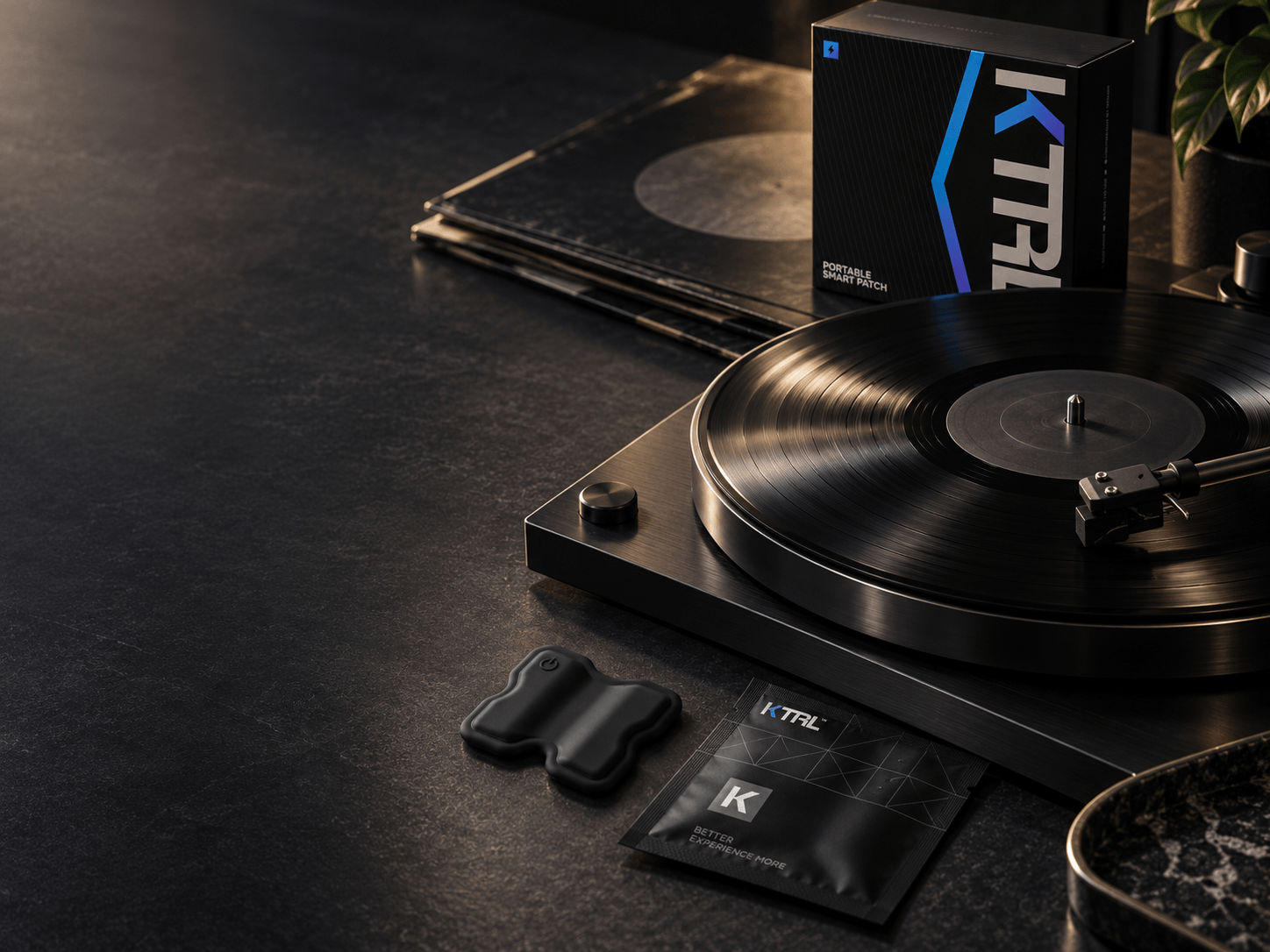
While you follow the professional plan, a private adult wellness routine can support orderly preparation, comfort, attention, and communication. The discreet male wellness routine guide explains a simple structure; KTRL's rhythmic physical sensation and one-session format can be considered within that routine according to printed instructions and preference.
Join the email list for future appointment tools, no-shame education, and verified product information.
KTRL Portable Smart Patch is a consumer lifestyle product for adult external use; it is not intended to diagnose or treat a medical condition, individual experiences vary, and users should follow the printed instructions and seek qualified professional advice for persistent or distressing concerns.
Frequently asked questions
What should I say first to a doctor about ED?
Say when the change began, whether the issue is getting or keeping an erection, how often it happens, where it happens, and how it affects you. Then ask for a review of health, medicines, and context.
Will the doctor ask personal questions?
The clinician may ask about desire, erections, ejaculation, orgasm, medicines, emotions, substances, and relationship context because these details can guide assessment.
Should my partner come to the appointment?
Only if you want that support and it fits the visit. A partner may help with context, while you remain the central voice in your health decisions.
What if I am too embarrassed to speak?
Write the opening sentence and hand it to the clinician. You can also request a visit specifically for a sexual-health concern so there is adequate time.
Comments (0)
Please login to comment.
No comments yet.