How to Talk With a Partner After Finishing Sooner Than You Hoped
A practical, no-blame guide to what to say in the moment, how to check in the next day, and when a recurring timing concern deserves professional support.

After finishing sooner than you hoped, use three parts: name the experience, remove blame, and choose the next conversation. For example: “I finished sooner than I wanted. This is not your fault or a measure of attraction. I care about how that felt for both of us, and I would like to talk when we are comfortable.”
The first goal is connection, not an explanation
The moments after sex can feel exposed. A man may want to apologize repeatedly, make a joke, promise that it will never happen again, or leave the room. A partner may feel surprised, disappointed, concerned, neutral, or unsure what response is wanted.
Neither person needs an instant diagnosis. One earlier-than-hoped ejaculation does not by itself establish premature ejaculation (PE). Professional assessment looks beyond a single duration to the recurring pattern, perceived control, distress, and interpersonal difficulty (EAU).
The immediate goal is smaller: keep the moment emotionally safe enough for honest communication.
Use the three-part repair script
1. Name the experience
Use a specific, neutral sentence:
“I finished sooner than I wanted tonight.”
This describes your experience without declaring that the entire encounter was bad, that your partner was dissatisfied, or that you have a medical condition.
2. Remove blame
Say what the event does not mean between you:
“This is not your fault, and it is not a sign that I am less attracted to you.”
You can also add:
“I am feeling embarrassed, so I may seem quiet. I do not want that quiet to feel like rejection.”
Removing blame protects both people. It does not require the partner to say everything was perfect.
3. Choose the next conversation
Offer a time and purpose:
“I care about how the experience felt for you, too. Can we check in tomorrow without treating either of us as the problem?”
The next conversation may be about comfort, pleasure, pressure, timing, affection, or whether a recurring concern deserves professional guidance.
What to say in the immediate moment
Use a short version while emotions are fresh:
“That was sooner than I hoped, and I feel a little exposed. I care about you. Would you like closeness, a pause, or to talk later?”
This sentence does four things: tells the truth, preserves care, asks rather than assumes, and keeps consent active. A partner may want to cuddle, continue another mutually agreed activity, stop, or have space. No one owes continued sexual activity after ejaculation, and no one should assume the encounter must end without asking.
If you are too overwhelmed to talk, say:
“I want to respond thoughtfully, but I need a little time. Can we check in tomorrow?”
Then follow through. A promised conversation that never happens can feel like avoidance.
What to say the next day
Choose a neutral time outside the bedroom:
“I have been thinking about last night. I finished sooner than I wanted and felt embarrassed. I do not want to guess what you felt. What was the experience like for you, and what would help us keep the conversation low-pressure?”
Listen without rushing to defend yourself. Your partner might care less about duration than about sudden withdrawal. They might want more communication, broader intimacy, reassurance, or a professional answer if the pattern is recurring. They may also say the event was not distressing.
Ask one question at a time:
· What felt good or connecting?
· What felt confusing or abrupt?
· Did anything I said or did afterward feel distancing?
· What kind of check-in would you prefer next time?
· Is there any pressure we can reduce together?
The partner's experience matters, but the partner is not a judge or therapist.
If the pattern is recurring
The EAU guideline says PE can affect self-confidence, emotional well-being, and partner relationships, and recommends assessing the partner's impact when available (EAU). The AUA/SMSNA guideline emphasizes an evidence-based, patient-centered approach and shared decision-making (PubMed).
Try:
“This has happened often enough that it is affecting how I feel and how we approach sex. I want to understand the pattern rather than keep making promises. I am going to document when it happens and seek qualified guidance. I would also like to know what support feels fair to you.”
Then collect useful information:
· how often the concern occurs;
· approximate timing without obsessive stopwatch use;
· the sense of control;
· whether it is lifelong, newly acquired, or situational;
· personal distress and partner impact;
· erection, desire, pain, medicine, substance, and health context.
Use Why Do I Finish Sooner Than I Want? to build that pattern description.
Keep one event from becoming family-wide tension
The sexual moment may be brief, but silence can continue for days. The man avoids affection because he fears another test. The partner reads the distance as rejection. Small disagreements become charged because neither person names the original concern. The home begins to feel less warm even though both people may want closeness.
Interrupt the spread early:
“I do not want embarrassment from one part of our relationship to make me distant in the rest of our life. Affection does not have to be a promise of sex, and sex does not have to be a performance test.”
Agree on one low-pressure form of closeness—conversation, a walk, holding hands, a hug, shared rest—that has no automatic sexual requirement. This is a communication choice, not a treatment for PE.
Language that often makes the conversation harder
Some reactions turn uncertainty into blame:
Reaction | Why it can hurt | Better direction |
“You made me too excited.” | makes the partner responsible for your body | describe your experience without assigning cause |
“I am useless.” | asks the partner to repair your identity | name embarrassment and one specific need |
“You did not seem satisfied.” | assumes the partner's experience | ask an open question |
“Next time will be perfect…” | creates a future performance contract | commit to communication and review |
joking after the partner says they are hurt | may dismiss their experience | acknowledge impact before using humor |
silence for days | invites painful explanations | schedule a specific check-in |
You can apologize for withdrawing, blaming, or dismissing your partner. You do not need to apologize for having a human body.
When to bring in professional support
Seek qualified guidance when the timing pattern is persistent, causes personal distress or interpersonal difficulty, appears after a period of different function, or occurs alongside erection concerns, pain, urinary symptoms, desire changes, medicine changes, or other health concerns.
A healthcare professional can review medical and sexual history. A licensed therapist or qualified sexual-health professional can help when shame, avoidance, conflict, or communication has become central. Couple support may be useful when both partners want a structured conversation.
Professional help should add information and options—not choose a winner between partners.
Where a shared private routine can fit
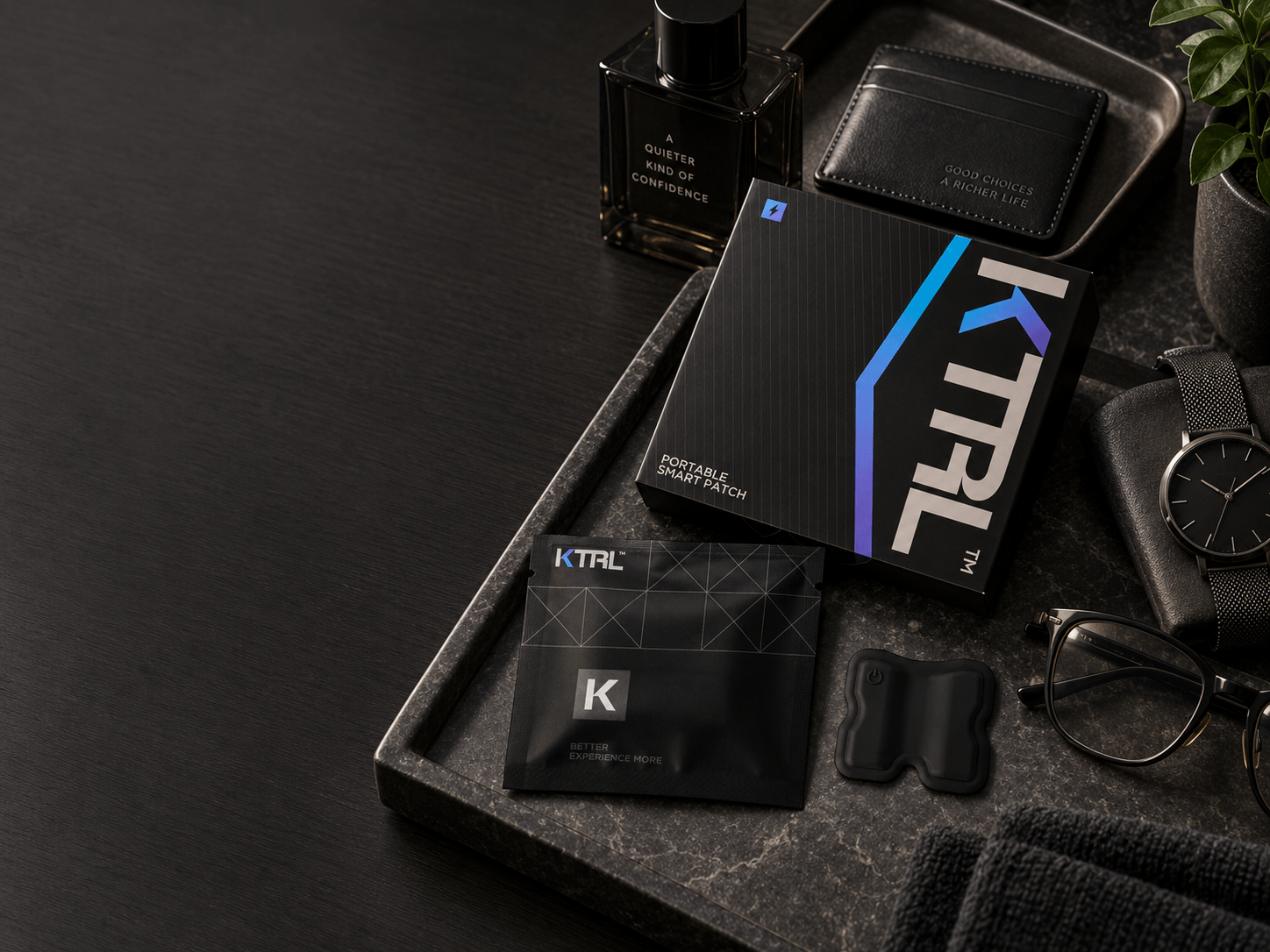
A clear adult wellness routine can give both partners a calmer point for consent, timing, comfort, and communication before the moment becomes highly charged. Start with the discreet male wellness routine guide. The KTRL private-routine fit guide explains its rhythmic physical sensation and one-session format as an optional part of that deliberate routine.
Join the email list for future no-shame education, partner scripts, and verified product information.
KTRL Portable Smart Patch is a consumer lifestyle product for adult external use; it is not intended to diagnose or treat a medical condition, individual experiences vary, and users should follow the printed instructions and seek qualified professional advice for persistent or distressing concerns.
Frequently asked questions
What should I say right after finishing too fast?
Name what happened, remove blame, and ask what your partner wants now: “I finished sooner than I hoped. This is not your fault. Would you like closeness, a pause, or to talk later?”
Should I apologize?
You can acknowledge disappointment and apologize for withdrawing, blaming, or dismissing your partner. A body response itself is not a moral failure.
Does one early ejaculation mean I have PE?
No. Assessment considers a recurring pattern, perceived control, distress, interpersonal impact, onset, and context—not one encounter alone.
What if my partner is upset?
Listen without assuming or defending, acknowledge their experience, and arrange a calmer conversation. If conflict or a recurring timing concern continues, qualified support may help.
Comments (0)
Please login to comment.
No comments yet.