Can You Have an Erection Without Feeling Much Desire?
How to separate physical response, felt desire, attraction, consent, and personal choice when an erection does not fully match what you want.
Yes. An erection can happen when a man does not feel strongly interested in sexual activity. A physical response, subjective arousal, desire, attraction, and consent often interact, but they do not always move together. The most important practical point is simple: an erection is body information, not automatic permission or a complete explanation of what someone wants.
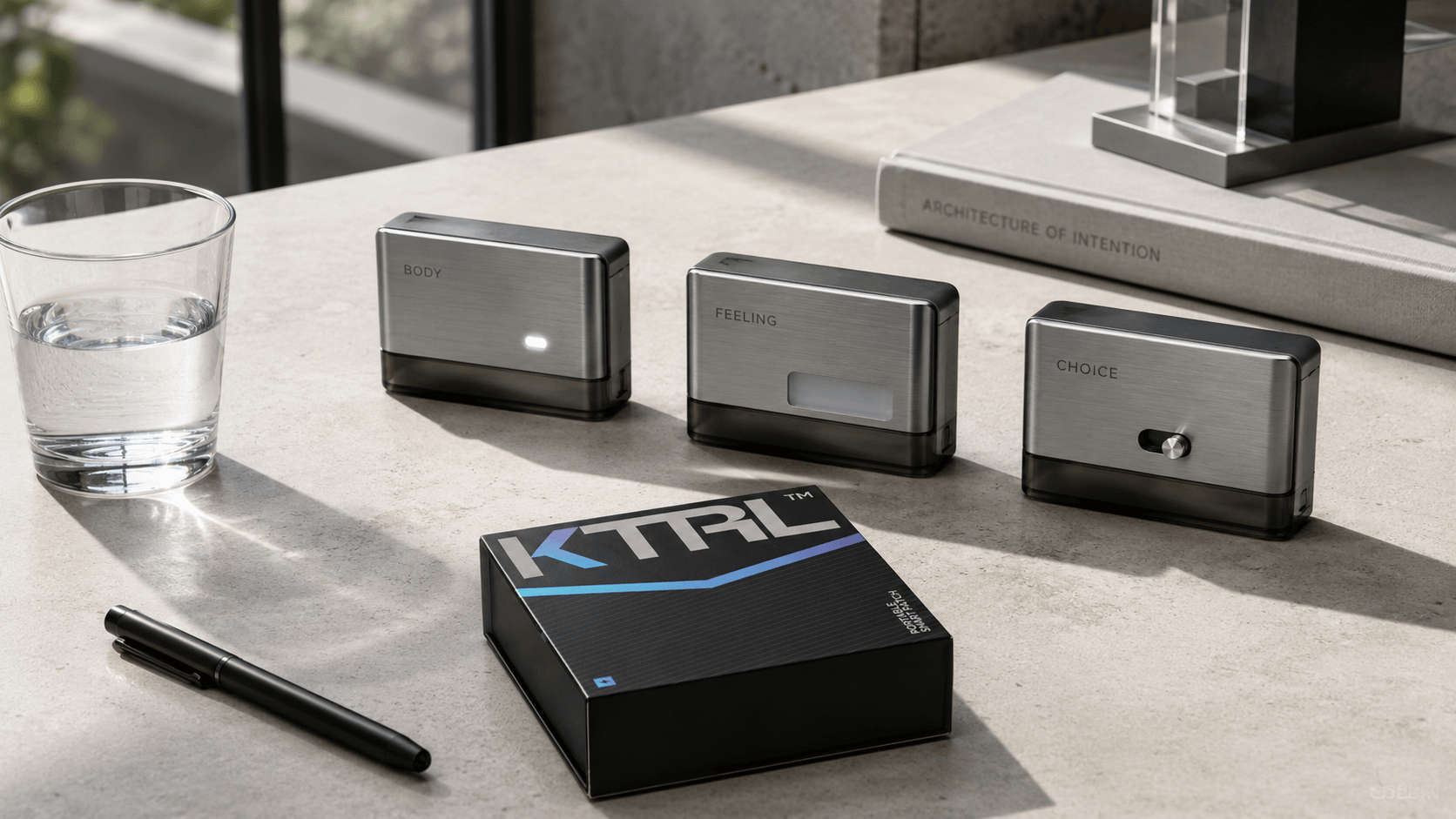
Separate body response, feeling, and choice
Use three questions:
Layer | Question | What it cannot decide alone |
Body response | Is there an erection or another physical change? | desire, attraction, consent, identity |
Felt experience | Do I feel interested, excited, comfortable, connected, or neutral? | what I must do next |
Chosen action | Do I actively want this activity now? | whether my body should look a certain way |
This map prevents a visible response from speaking for the whole person.
NIDDK's erectile-dysfunction assessment asks separately about erection, sexual desire, ejaculation, and climax. The separation reflects that these are different parts of sexual function (NIDDK).
Genital arousal and subjective arousal are related, not identical
A peer-reviewed meta-analysis found that genital response and self-reported arousal tend to be positively related in men, but the two measurements are not interchangeable (PubMed). An average association across studies does not predict what one erection means for one person in one moment.
An erection may appear during sleep, on waking, from friction or touch, in response to an image, during anxiety, or in a context where the person does not want sexual activity. Likewise, a man may feel strong desire while his erection is absent or variable.
For the broader distinction, read Erection vs. Arousal vs. Desire.
An erection does not establish consent
Consent is a voluntary, informed, and current choice. It must be communicated through words and behavior, and it can be withdrawn. A body response does not create an obligation for the person having it or for a partner.
Useful check-ins include:
· “My body is responding, but I am not sure I want sexual activity.”
· “I want to pause and notice how I feel.”
· “An erection does not mean I have agreed; please ask me.”
· “I am interested, but I want a different pace or activity.”
Partners should respond to the stated choice, not argue with the body.
Attraction is not measured by firmness
A partner may see an erection and assume attraction, or see its absence and assume rejection. Both shortcuts can create pressure.
Try:
“My physical response is only one signal. I will tell you what I want, and I need us to use that communication rather than treating my erection as a vote.”
This does not ask a partner to ignore feelings. It gives those feelings a more accurate place to begin. Why a Partner May Feel Rejected When Erection Difficulties Happen offers language for that conversation.
Desire can be spontaneous, responsive, or simply absent
Some people notice desire before any touch or context. Others become interested after warmth, privacy, affection, or stimulation begins. On another day, interest may remain low. None of these patterns overrides the need for choice.
European Association of Urology guidance describes male desire as involving biological, psychological, and cultural components. It notes that mood, relationship conflict, health, medicine use, erectile dysfunction, and hormonal factors may be relevant when lower desire is persistent and distressing (EAU).
If you are interested in sex but the erection is the concern, see Low Libido vs. Erectile Dysfunction. If interest itself has changed, start with What Does Low Libido Mean in Men?.
Use a body-feeling-choice check-in
Pause for three lines:
1. Body: “I notice an erection, warmth, tension, or another physical response.”
2. Feeling: “I feel interested, uncertain, disconnected, anxious, comfortable, or neutral.”
3. Choice: “I want to continue, change pace, choose affection only, pause, or stop.”
The exercise is not meant to overanalyze every moment. It gives language when body and desire seem mismatched.
What if this creates conflict with a partner?
A partner may say, “But your body clearly wanted it.” Reply without accusation:
“My body responded, but consent comes from me as a person. I want us to trust each other's stated choices. We can also talk about any hurt or confusion after the boundary is respected.”
If one partner wants sex more often, the central issue may be desire discrepancy rather than the erection itself. Different Levels of Desire in a Couple separates frequency, meaning, pressure, and affection.
If a boundary is repeatedly ignored, or there is coercion, fear, or violence, prioritize safety and qualified local support.
When a health conversation makes sense
An occasional mismatch between erection and desire is not automatically a health problem. Consider qualified guidance when lower desire is a persistent or sudden change, causes distress, or occurs with mood changes, pain, fatigue, illness, medicine changes, erection difficulties, or other sexual-function changes.
NIDDK notes that clinicians use medical, sexual, and mental-health history to distinguish erection concerns from desire, ejaculation, and orgasm concerns (NIDDK). Do not stop prescribed medicine without the prescriber's guidance.
Give personal choice a private setting
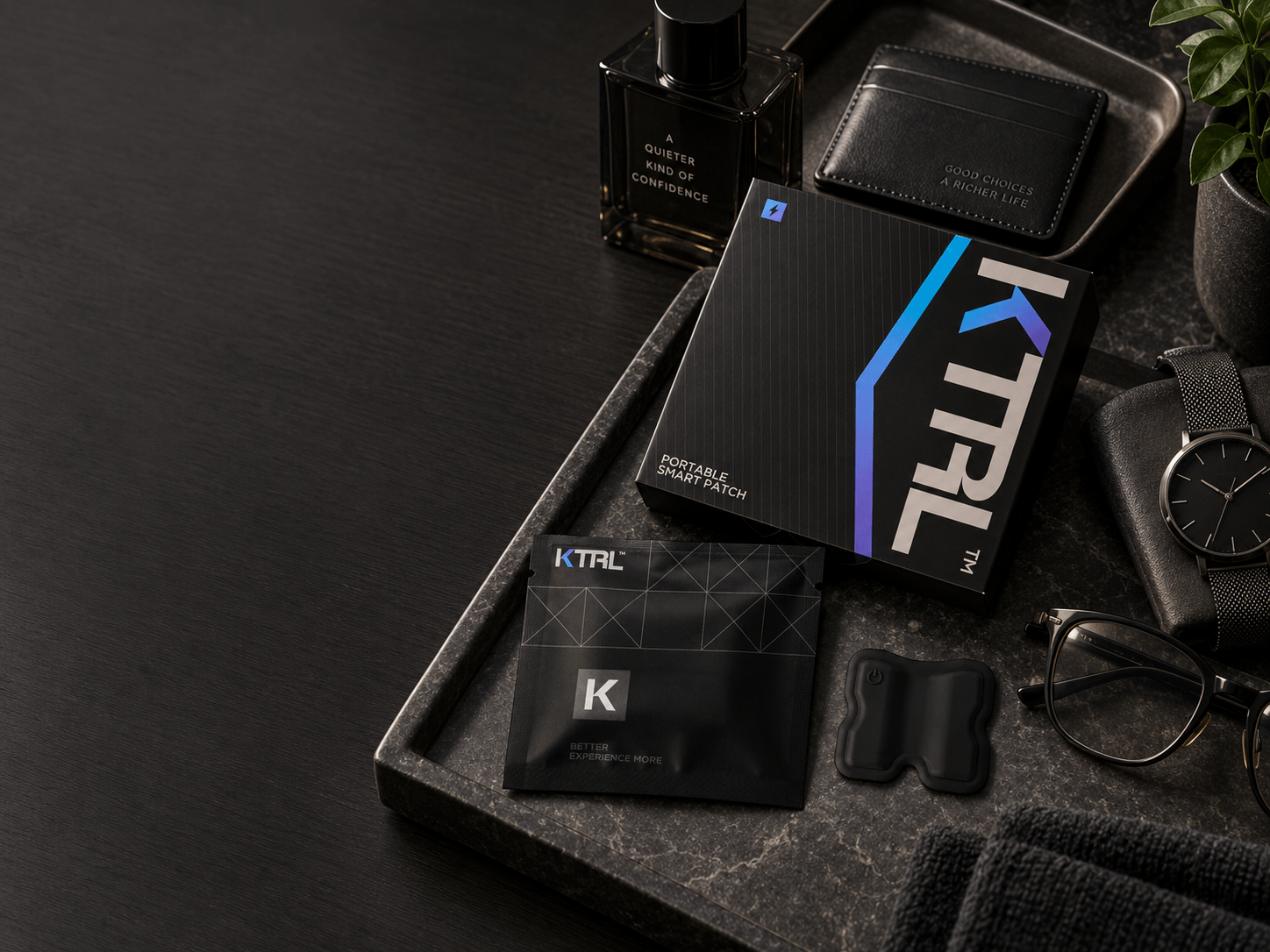
A private adult routine can make it easier to notice body response without turning it into a partner performance test. The discreet male wellness routine guide covers privacy, timing, comfort, and instructions. KTRL's rhythmic physical sensation and one-session format can be considered as an optional part of that deliberate routine.
Join the email list for no-shame sexual-wellness education and verified KTRL information.
KTRL Portable Smart Patch is a consumer lifestyle product for adult external use; it is not intended to diagnose or treat a medical condition, individual experiences vary, and users should follow the printed instructions and seek qualified professional advice for persistent or distressing concerns.
Frequently asked questions
Can an erection happen without attraction?
Yes. A physical response does not by itself identify attraction, meaning, or a chosen partner.
Does an erection mean someone has consented?
No. Consent is communicated choice and can be withheld or withdrawn regardless of physical response.
Can I want sex without getting an erection?
Yes. Desire and erection can diverge. A recurring or distressing erection concern can be discussed with a qualified clinician.
Is an erection without desire a sign of low libido?
Not from one event. Low desire is better understood through the person's felt interest, pattern over time, context, distress, and related changes.
Comments (0)
Please login to comment.
No comments yet.