What Does Rhythmic Physical Sensation Feel Like?
A practical vocabulary for describing KTRL's repeating physical cue
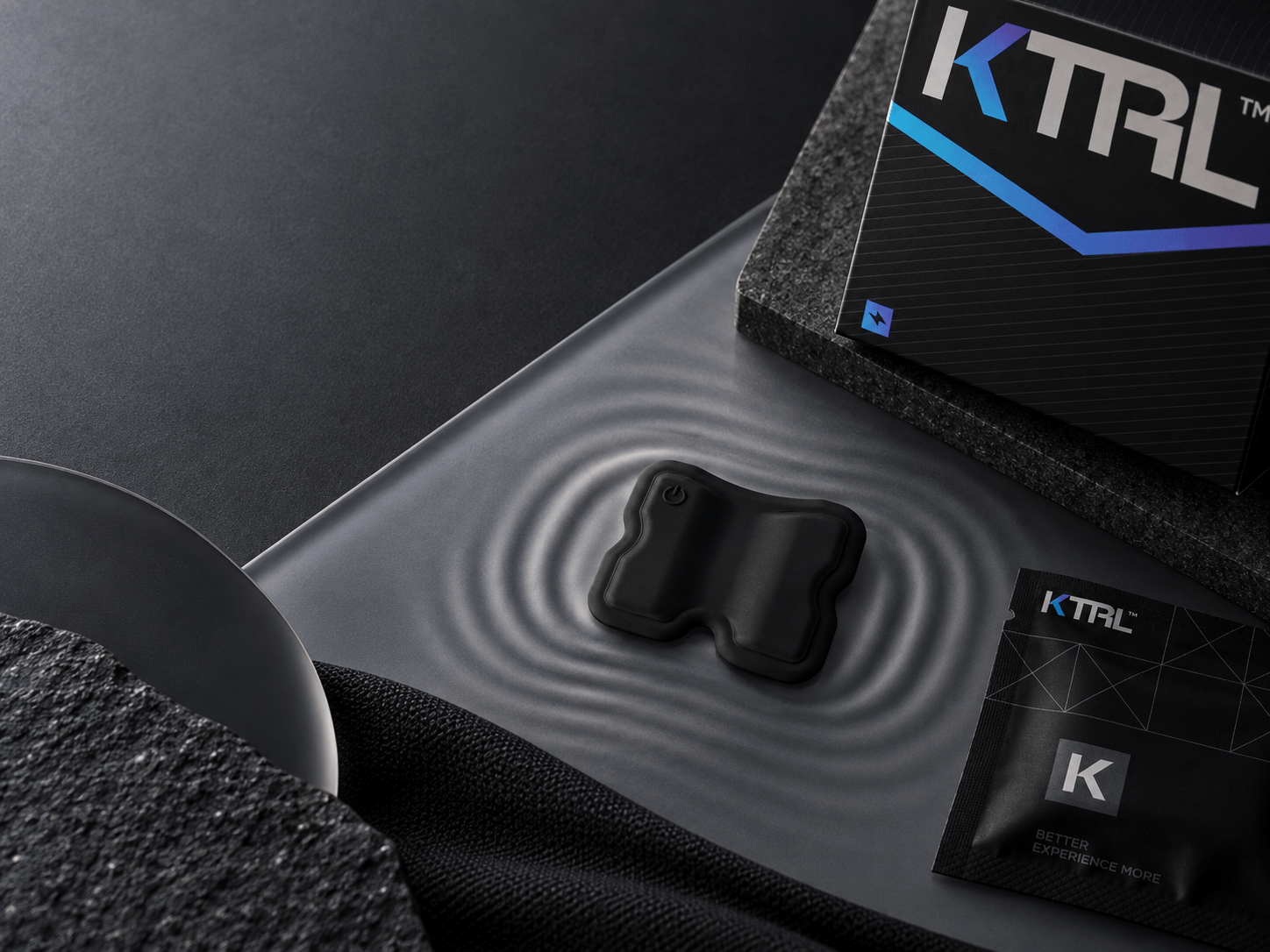
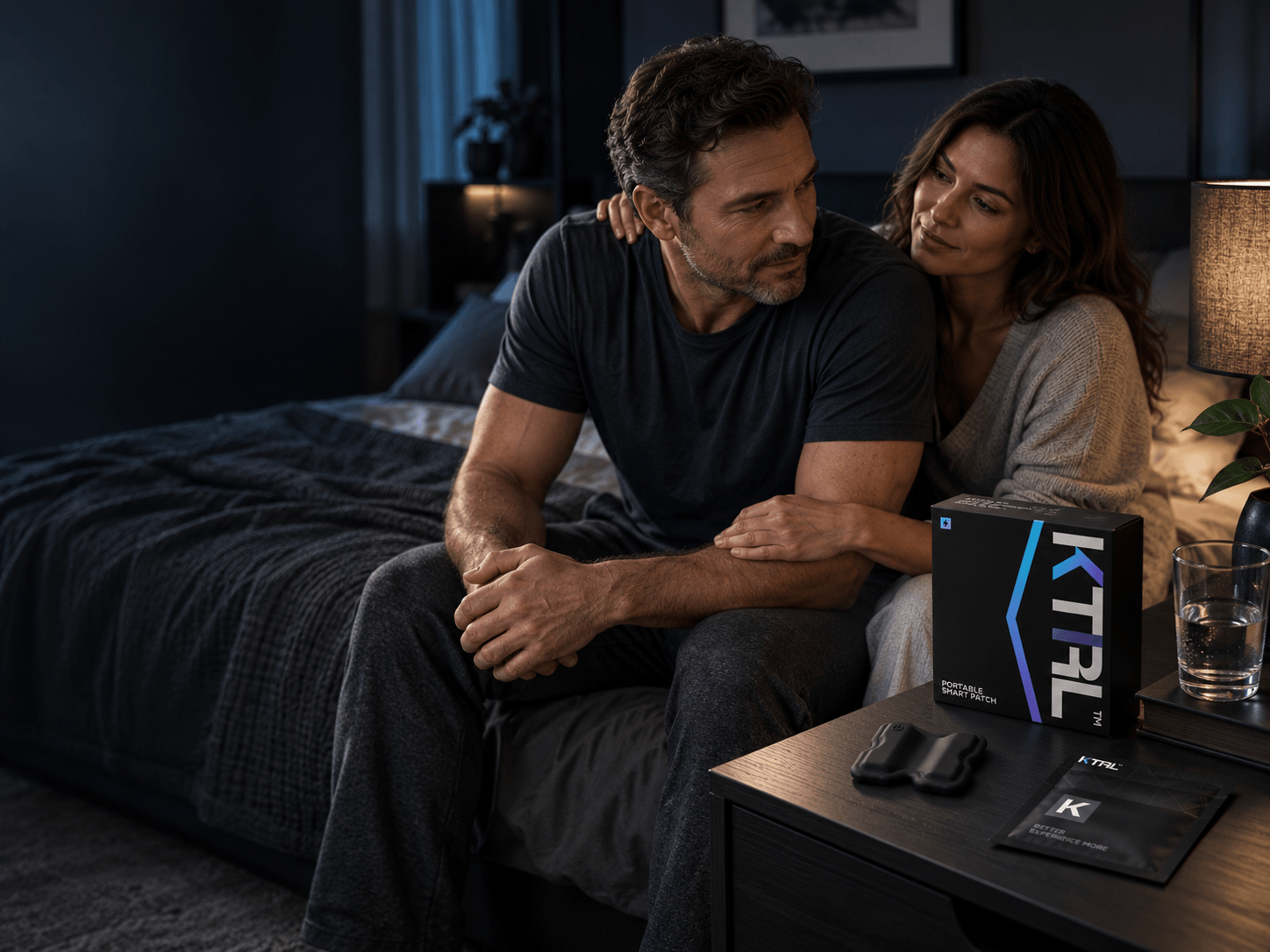
Rhythmic physical sensation is a repeating, noticeable body cue rather than a single burst of feeling. With KTRL, controlled electrical pulses create that rhythm through external skin contact. The exact experience is personal, so the most useful description focuses on pattern, comfort, clarity, and how the sensation fits the moment.
Rhythm is a pattern the body can notice
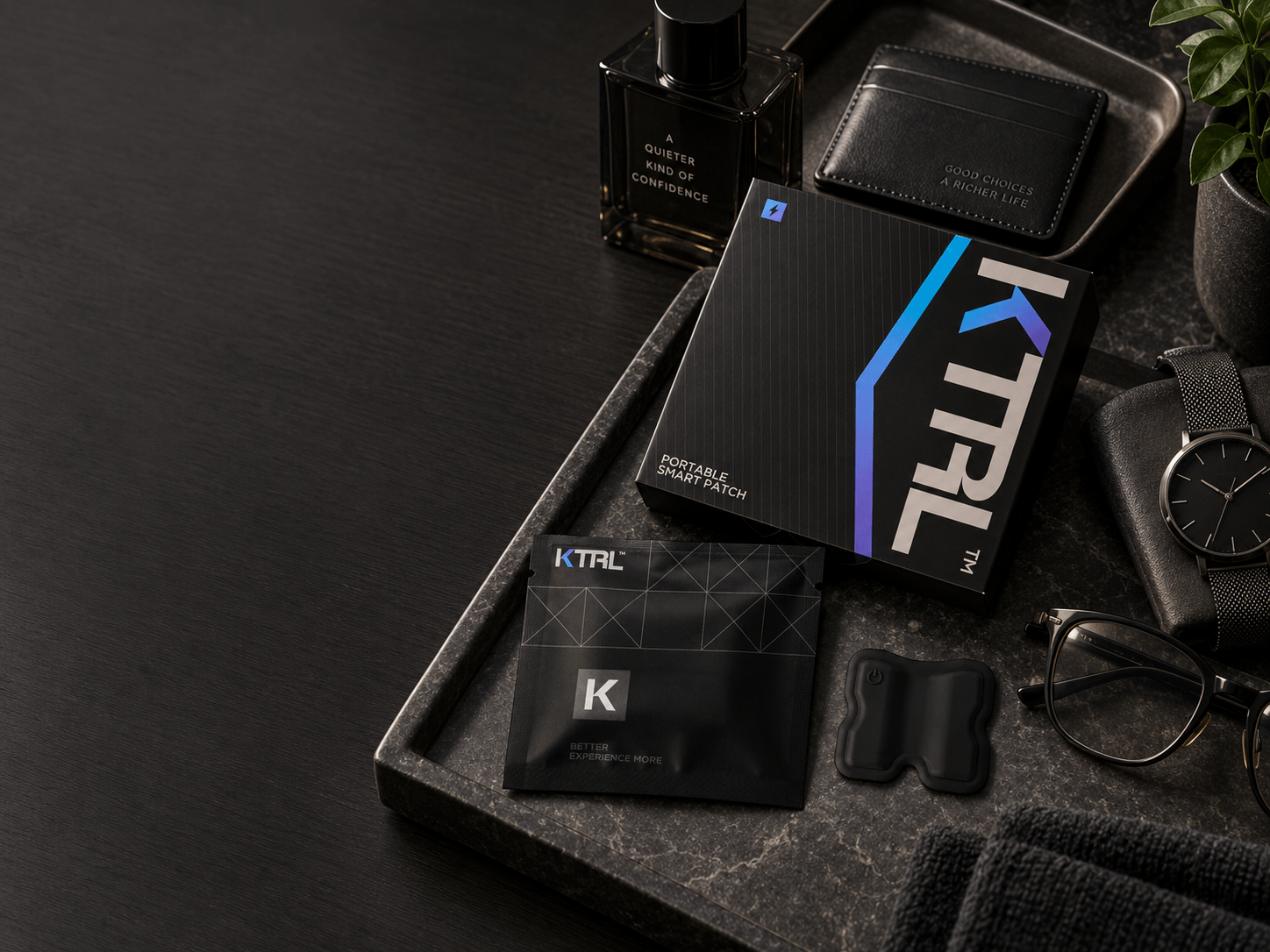
The KTRL Portable Smart Patch uses Transcutaneous Electrical Stimulation (TES), meaning controlled electrical pulses are delivered through electrodes placed on the skin. The product turns those pulses into a repeating physical sensation for adult private moments.
“Rhythmic” describes the pattern. It does not, by itself, define a clinical protocol, a specific nerve target, or an exact intensity. Different electrical products may use different waveforms, frequencies, pulse widths, output levels, placements, and intended purposes.
Four qualities help describe the experience
Instead of searching for one universal adjective, describe the sensation along four dimensions.
Pattern
Does the sensation feel clearly repeating, softly pulsing, steady, or variable? Pattern is the feature that makes the cue recognizable over time.
Clarity
Is the rhythm easy to notice without concentrating, or does it sit quietly in the background? A subtle but identifiable cue can still be useful.
Comfort
Does the skin contact remain comfortable? Comfort is separate from clarity. A sensation should never be judged as better simply because it feels stronger.
Relevance
Does the rhythm add something you value—greater awareness, a more deliberate pace, a sense of novelty, or simply a different physical layer?
Relevance is the most personal dimension. Two users can notice the same general pattern and value it differently.
A neutral sensory vocabulary
These words can help a user describe the experience without turning preference into a product claim:
Sensory quality | Neutral description |
Repeating | A pattern that returns at recognizable intervals |
Pulsing | A sensation that rises and falls rather than remaining constant |
Localized | Most noticeable near the external contact area |
Background | Present but not dominant |
Clear | Easy to distinguish from ordinary touch or movement |
Distracting | Pulls attention away from the rest of the experience |
Comfortable | Noticeable without pain, burning, unusual heat, or irritation |
Unfamiliar | Different from sensations the user normally includes in a private routine |
There is no “correct” set of words. The aim is to identify what you notice and whether you want that sensation again.
How KTRL differs from a numbing sensation
KTRL does not require a separately applied topical delay formula. It adds rhythmic sensation through controlled electrical pulses rather than using a topical anaesthetic to reduce local nerve signaling.
That difference matters for expectation setting. A user choosing KTRL is generally looking for an added cue and a contained electronic format, not the reduced-sensitivity experience associated with some sprays or creams.
The patch does contain integrated skin-contact material, including conductive gel, so “no separate topical formula” should not be confused with “nothing touches the skin.”
What can change how noticeable the rhythm feels?
Several practical factors can change the subjective experience:
• whether the intended skin area is clean, dry, and intact;
• whether the patch is placed as directed;
• the user's individual skin sensitivity;
• attention, body position, movement, and surrounding touch;
• whether the user is relaxed or closely monitoring every sensation;
• whether discomfort or irritation develops.
These factors do not justify altering the product or using extra adhesive, conductive material, or another electrical device. Follow the printed guide and contact KTRL Support when a use question is unclear.
A first-session sensory check
Use a simple sequence rather than chasing intensity.
1. Notice the first clear rhythm. Identify the pattern without deciding immediately whether it is “good.”
2. Check comfort. Stop if pain, burning, unusual heat, itching, concerning redness, or other discomfort occurs.
3. Let attention widen. Notice whether the rhythm can remain part of the moment without becoming the only focus.
4. Observe changing arousal. Ask whether the repeating cue makes shifts in tension or urgency easier to notice.
5. End when you choose. Thirty minutes is the maximum total session time, not a required duration.
6. Write one sentence afterward. For example: “The rhythm was clear and comfortable, and I liked the way it made the routine feel more deliberate.”
That sentence is more useful than trying to assign a universal strength rating.
When a sensation is a stop signal
Rhythmic sensation should not be confused with pain, burning, unusual heat, persistent or concerning redness, itching, or obvious discomfort. Turn the product off, remove it as directed, and stop the session if those occur.
Mild temporary marks or slight redness can occur with skin contact and may fade naturally. Continuing discomfort deserves appropriate advice.
Why the single-use format changes the experience
The sensory experience is only part of KTRL's value. The format may also matter:
• built-in non-rechargeable power;
• no cable, app, or separate controller;
• no reusable hardware to clean;
• one patch for one session;
• compact storage and discreet handling;
• a clear beginning and end to the routine.
For some adults, this practical simplicity makes it easier to focus on the sensation rather than manage equipment.
Frequently asked questions
Does rhythmic sensation feel like vibration?
Do not assume that different product categories feel identical. KTRL uses controlled electrical pulses through skin contact. The best description is a repeating physical sensation whose clarity and comfort vary by user.
Is stronger sensation always better?
No. Product fit depends on comfort, clarity, and personal value, not maximum intensity. Stop if the sensation becomes uncomfortable.
Does KTRL numb the skin?
KTRL does not rely on a separately applied numbing formula. It is designed to add a rhythmic physical cue.
Can the sensation change during one session?
Subjective awareness may change with attention, movement, arousal, and other touch. Keep the patch positioned and used only as directed.
Do I need to finish a full 30-minute session?
No. Thirty minutes is the upper limit. A shorter session can still provide enough information to evaluate comfort and sensory preference.
Use words that help you make a decision
The most useful description of rhythmic sensation is personal but structured: identify the pattern, clarity, comfort, and relevance. If KTRL's repeating cue feels comfortable and adds a physical layer you value, the product is doing the job it is designed to do.
Review KTRL's current sensory and single-use format before planning a first session.
KTRL Portable Smart Patch is a consumer electronic product intended for adult external skin-surface contact use only. It is not a medical device and is not intended to diagnose, treat, cure, or prevent any disease or medical condition. Individual experience may vary. Always read and follow the printed product instructions. Stop use immediately if discomfort occurs, and seek qualified professional advice for persistent or distressing sexual health concerns.
Comments (0)
Please login to comment.
No comments yet.