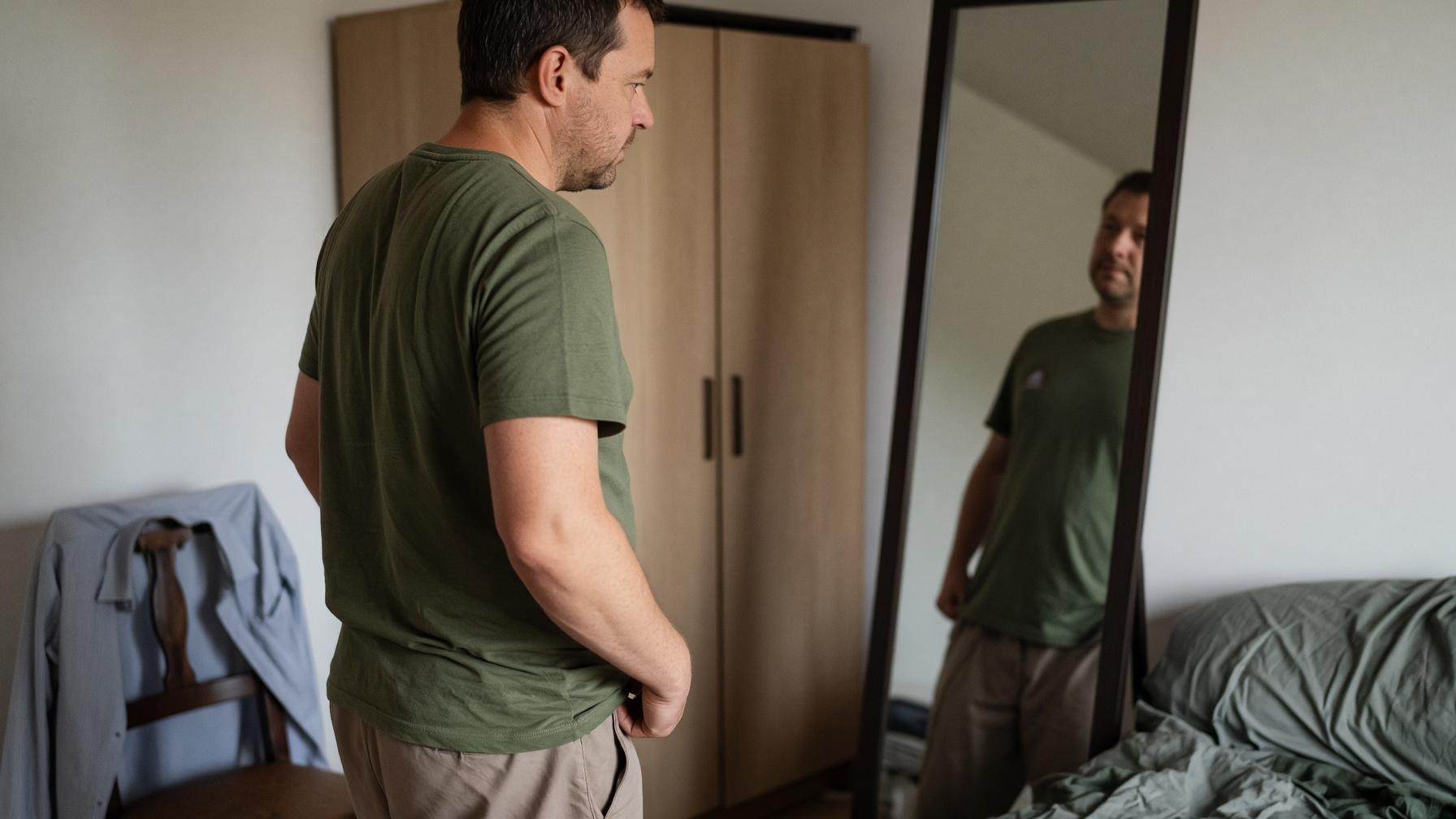


A product does not settle disagreement about intimacy. If stress, worry or relationship expectations are making a conversation difficult, first agree on what is and is not wanted now. KTRL is optional; it should not become proof of affection, consent or willingness to work on a relationship. The examples below are suggested conversation wording, not a tested therapy or customer account.
By KTRL | Editorial update:
Start with the expectation that is creating pressure
Choose a time when neither person is being asked to begin an intimate activity. Name the practical concern without assigning a motive: “I feel pressure when we assume that buying something means we will use it tonight.”
Then make a request that allows disagreement: “Can we decide together whether we want closeness, a different activity or time apart?” The purpose is to make each person’s choice clear. It does not promise that a conversation will increase desire or resolve a relationship difficulty.
Keep four decisions separate
| Decision | A possible question | What it does not imply |
|---|---|---|
| Talking about a concern | “Is now a good time to talk?” | Agreement to sex or a product trial. |
| Choosing an activity | “What, if anything, do we both want?” | Permission for a different activity. |
| Trying a product | “Does the wearer actually want to try this?” | An obligation to keep using it or report a benefit. |
| Recording or sharing feedback | “May I keep or share that comment?” | Permission inferred from participating in the experience. |
A previous yes can become a no. Silence, a physical response, a gift or money already spent does not replace a clear choice. If either person feels pressured, stop the proposed activity; do not bargain for a product trial.
If a product enters the conversation, make declining easy
Discuss the wearer’s interest before buying or opening a patch. “Would you like to read about it?” leaves more room for choice than “I bought this, so we should try it.” These are examples of wording, not evidence that a script improves a relationship.
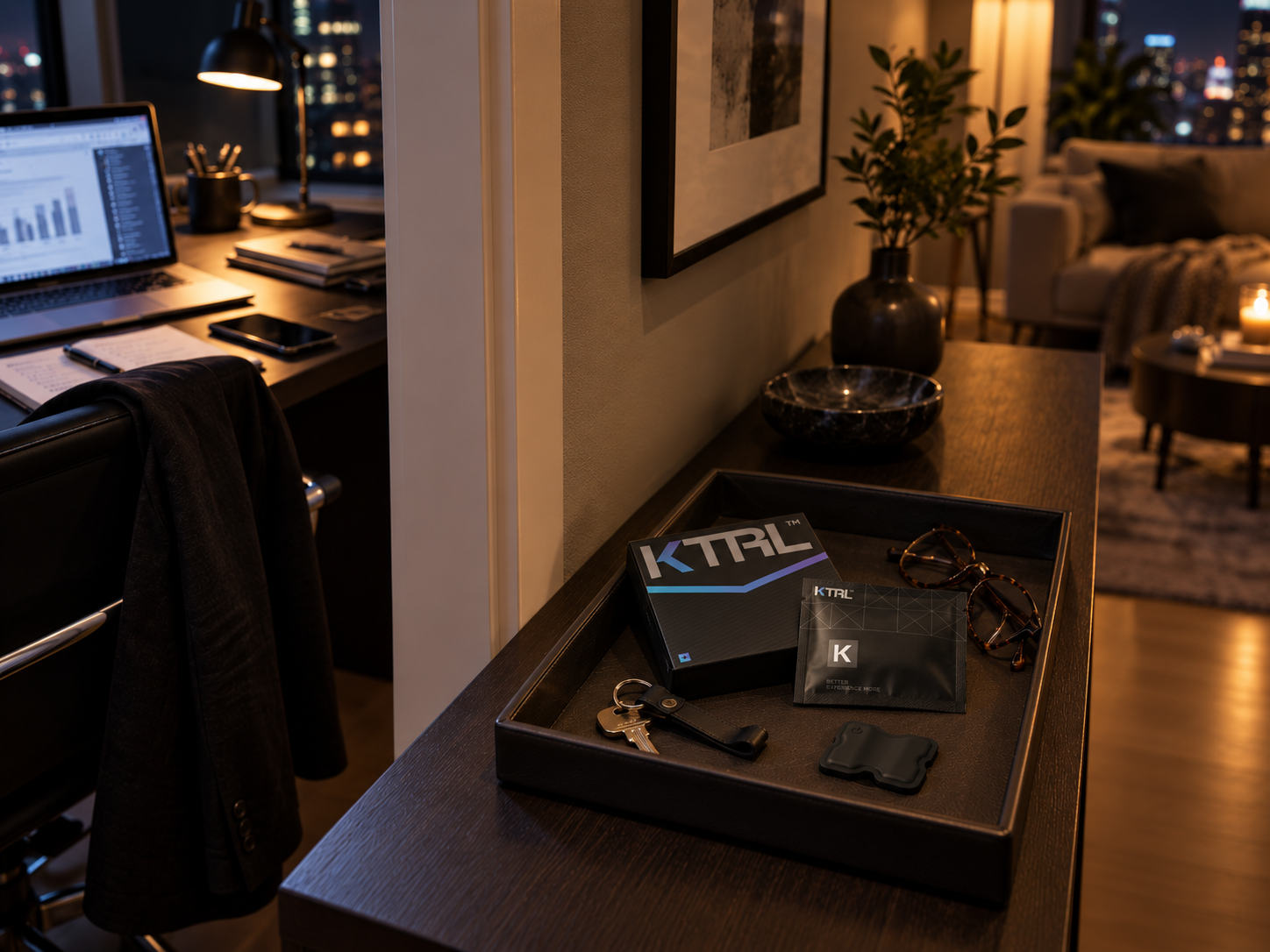
KTRL Portable Smart Patch, model WDC201, has a sensory purpose. It has not been established in the sources here as a treatment for anxiety, low desire or relationship conflict. No one needs to try it before asking for support.
If the wearer independently wants to consider it, check the WDC201 user guide and complete restrictions. It is single-use for men aged 18–60, inclusive. Stop immediately for discomfort or abnormal operation; follow the switching-off and removal instructions. Persistent symptoms require qualified healthcare advice.
For operation and the 30-minute cumulative powered-on limit, use the first-use tutorial. Product instructions and freely given agreement are separate requirements; neither substitutes for the other.
Choose support for the concern you actually have
If the main concern is a change in sexual interest, the low-desire guide explains what to describe and when to seek healthcare advice. If the concern is worry about performance or timing, the concern-navigation guide separates those questions.
If repeated conversations feel unmanageable, you can ask an appropriately qualified relationship or sexual-health professional about support. You do not need to agree to an intimate activity while deciding what help you want. For product questions, contact KTRL Support; customer support cannot diagnose or provide relationship therapy.
Questions about pressure and product choices
Does buying a patch mean we should try it?
No. The purchase does not create an obligation for the wearer or a partner. You can decide not to use it.
Can a partner ask for reassurance?
A partner can explain how they feel and ask to talk. Reassurance does not require sex, a product trial or continuing an unwanted activity.
Do we need to agree about the product?
You can have different preferences. Shared use should not proceed without agreement, and the wearer’s health restrictions and instructions still apply.
Should we test a product before seeking help?
No. A product trial is not a prerequisite for discussing persistent distress, a health change or relationship concerns with an appropriate professional.
Sources
Sources checked on. The NHS and EAU sources provide health context; they do not establish a KTRL effect on stress or desire. Individual health concerns belong with a qualified healthcare professional.
NHS. Low sex drive (loss of libido). Last reviewed 26 May 2026; guidance on causes and when to seek advice. Its GP pathway refers to UK services.
European Association of Urology. Low Sexual Desire and Male Hypoactive Sexual Desire Disorder. Sexual and Reproductive Health Guidelines; contributors and clinical assessment.
KTRL. WDC201 user guide. Product restrictions, handling and stopping rules; the webpage identifies the English 3c instructions updated 22 May 2026 as part of its basis.