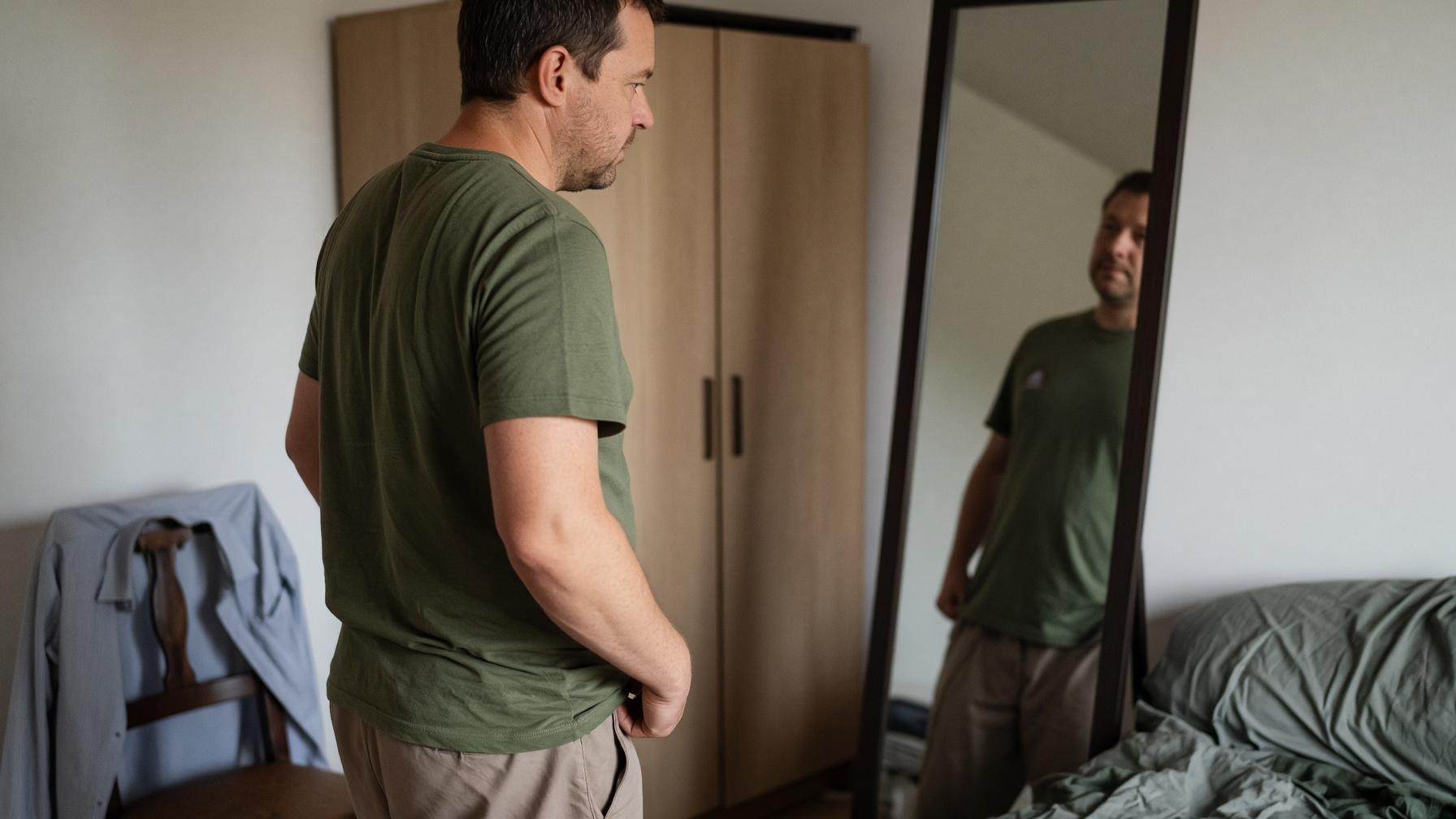

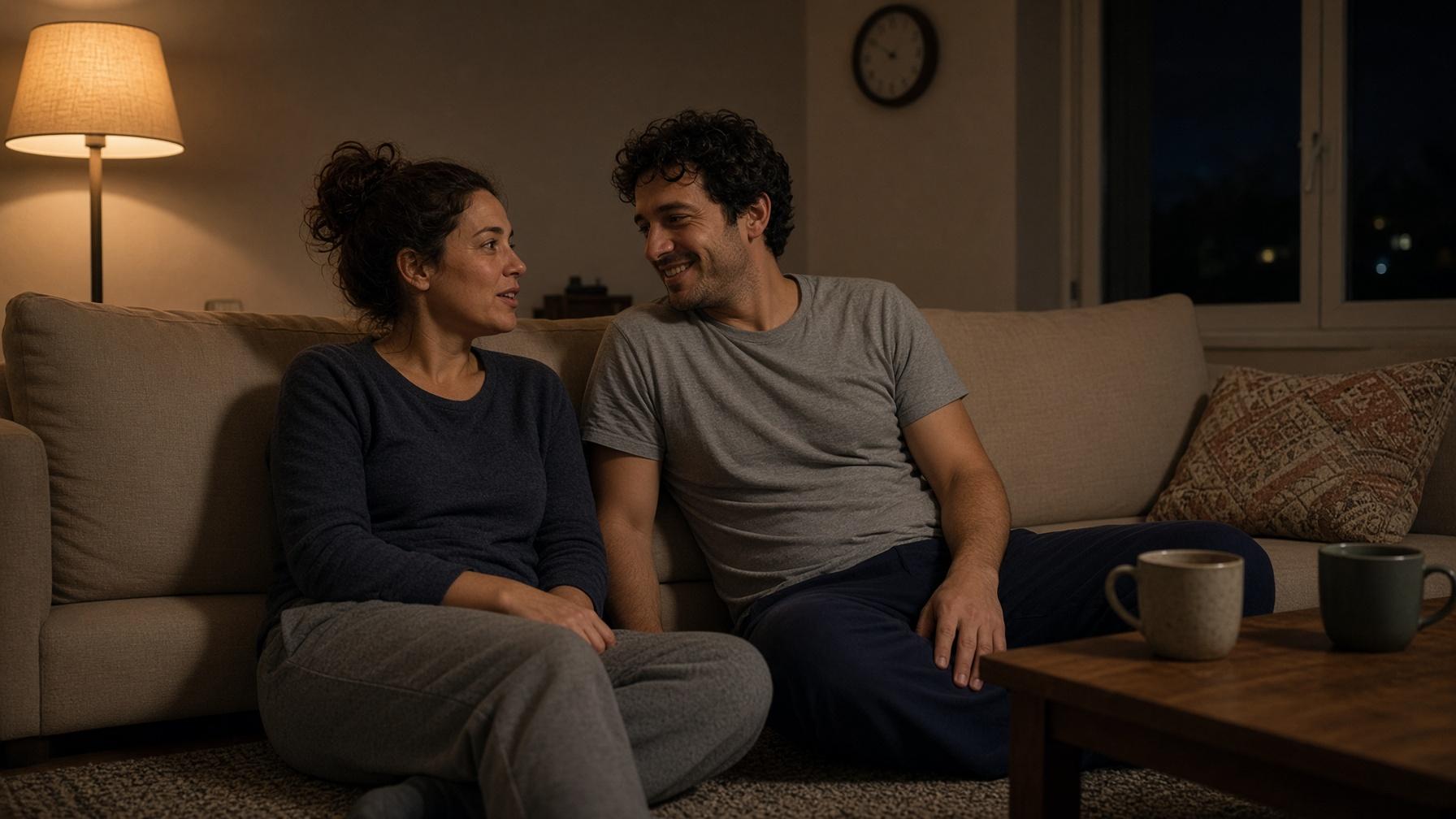
Time can feel different during sex because attention, emotion and memory influence your sense of duration. Being absorbed may leave little attention for passing minutes, while checking the clock makes time more prominent. Afterwards, you estimate the interval from what you remember. General time-perception research helps explain these differences, but it does not establish a rule that enjoyable sex must feel short or that strong arousal always makes time stretch.
Updated:
Why does time feel different during sex?
Measuring an interval, judging how long it seemed and noticing how quickly time passed are different tasks. They can produce different impressions of the same experience.
You look at the clock afterwards and feel surprised. Perhaps more time has passed than you expected. Perhaps an experience that felt substantial occupied only a short interval. Neither reaction is, by itself, a verdict on how satisfying the encounter was.
| Type of judgement | What it describes | Example |
|---|---|---|
| Clock time | The measured interval between a chosen start and finish. | Checking the time before and after the same activity. |
| Subjective duration | How long the interval seemed. | “That felt like a substantial amount of time together.” |
| Felt passage of time | Whether time seemed to fly, drag or fade from attention. | “I hardly noticed the minutes passing.” |
An evening can seem to pass quickly while also feeling full of memorable moments. Those impressions answer different questions, so they need not contradict each other.
First agree on the interval
Even clock time needs a definition. One person may mean the whole period of intimacy, while another means one particular activity. Different estimates may concern different starting and finishing points.
When someone says, “It felt brief,” they may mean they wanted more unhurried attention or a less abrupt ending. A number alone may not answer that concern.
How do attention and memory shape time perception?
Judging time while an experience unfolds draws on different information from estimating its duration afterwards. Researchers distinguish these situations as prospective and retrospective timing.
Prospective timing: you know in advance that you will judge duration, which can direct attention towards passing time.
Retrospective timing: you are asked afterwards about an interval you were not deliberately timing and draw on remembered information.
These terms describe the timing task, not two kinds of person or proof of two completely separate brain systems. In a 2025 paper inPsychological Review, Joost de Jong and colleagues propose a unified neurocomputational model of both kinds of judgement. Their model addresses how attention and cognitive load can affect timing differently depending on the task.
This is general timing research, not a study measuring how long sex feels. Applied cautiously, it offers a useful explanation: during an absorbing encounter, you may pay little attention to the minutes; later, you estimate from remembered moments. The later estimate is a new judgement, not a hidden stopwatch revealing its reading.
Why a memory can feel substantial
When looking back, you may use changes, pauses, conversations and striking moments to make sense of the interval. The beginning and ending may stand out more than a continuous middle.
That does not mean you can calculate duration by counting memories. Memory is selective, and a vivid recollection is not a precise measurement. What seems important days later may also differ from what held your attention at the time.
A remembered number can therefore feel convincing even if nobody measured it. Confidence in an estimate and accuracy on a clock are separate matters.
Does excitement always make time fly?
No. Emotional experiences can alter time perception in different directions; there is no simple rule that excitement or enjoyment always makes an interval feel shorter.
A 2016 review by Jessica I. Lake, Kevin S. LaBar and Warren H. Meck examines how emotion influences interval timing. It discusses the individual and interacting roles of attention and arousal, and why overly simple models fail to explain the range of findings.
In this research, arousal means a broad state of activation. It does not automatically refer to sexual arousal. Tasks involving emotional stimuli and brief intervals cannot establish how a whole intimate encounter should feel.
Time awareness is not a test of pleasure or connection
You can enjoy an encounter and remain aware of the hour because you have responsibilities afterwards. Someone else may become absorbed without finding the experience especially satisfying.
“If you were really enjoying it, you would lose track of time” asks time perception to prove something it cannot establish. Awareness of time and enjoyment can coexist; losing track of time does not prove a deeper connection.
How can you talk about time without making it a score?
Describe the quality you want to discuss—pace, attention, comfort or the ending—before trying to settle an uncertain number of minutes. This gives a partner something more specific to respond to.
Imagine one person saying, “We were together for ages,” while the other says, “It was over quickly.” They may be describing different phases, levels of involvement or wishes about what happened next. Both experiences can be taken seriously without deciding whose memory wins.
“I felt rushed.” Discuss which part needed more space or a slower pace.
“I wanted more time together afterwards.” Name the part of the encounter you wanted to continue.
“I became preoccupied with the clock.” Explain whether you were managing a commitment or worrying about performance.
“I felt unhurried and enjoyed it.” That remains meaningful even if the measured interval was short.
A practical time limit is different from a performance target
There is no need to ban clocks. If you have to get ready for work or keep an appointment, checking the time can answer a real practical question.
Repeatedly checking whether enough minutes have passed adds a monitoring task. For some people that is unremarkable; for others it becomes tangled with worry about whether the encounter is going well.
Knowing why you are checking helps. A clock can tell you when to leave. It cannot tell you whether a partner felt comfortable, heard or satisfied; those questions need their input.
Is losing track of time the same as a memory gap?
No. Ordinary absorption means you were aware of the experience but were not closely tracking its duration. Unexplained missing memories, confusion or loss of consciousness are different concerns.
Seek medical advice for unexplained memory gaps or episodes of altered awareness. If someone was unable to consent, including because of intoxication, the priority is safety and support. Missing memories should not be treated as evidence of intense pleasure.
For everyday surprises about duration, it helps to keep measurement and experience alongside each other. The clock describes the chosen interval; your account describes how it felt. Neither is a score of how well you or your partner performed.
Frequently asked questions
Why can sex feel shorter than it actually was?
Absorption may leave less attention for passing minutes, and a later estimate draws on memory. These are plausible explanations from general time-perception research, not a formula that predicts every encounter.
Can a short experience still feel substantial?
Yes. An experience can contain meaningful or memorable moments within a short interval. How substantial it feels and how many minutes elapsed are different judgements.
Does checking the clock mean you are not enjoying sex?
No. You may be keeping track of a practical commitment while still enjoying the encounter. If checking reflects worry, discussing that concern is more informative than treating the check itself as proof of dissatisfaction.
Why do partners remember different durations?
They may be estimating different parts of the encounter or recalling different moments. Ask what each person means by “time together” before comparing numbers.
Does losing track of time mean you had better sex?
No. Time perception is not a reliable rating of pleasure, connection or satisfaction. How each person felt about the experience is more useful to discuss directly.
Sources
de Jong J, Voelker AR, Stewart TC, Akyürek EG, Eliasmith C, van Rijn H. (2025). A unified neurocomputational model of prospective and retrospective timing. Psychological Review, 132(4), 781–827. University of Groningen research record; also available as a Europe PMC bibliographic record. A theoretical model of timing, attention and cognitive load.
Lake JI, LaBar KS, Meck WH. (2016). Emotional Modulation of Interval Timing and Time Perception. Neuroscience & Biobehavioral Reviews, 64, 403–420. Review of emotion, attention and arousal in time perception; the linked record includes a subsequent correction notice.